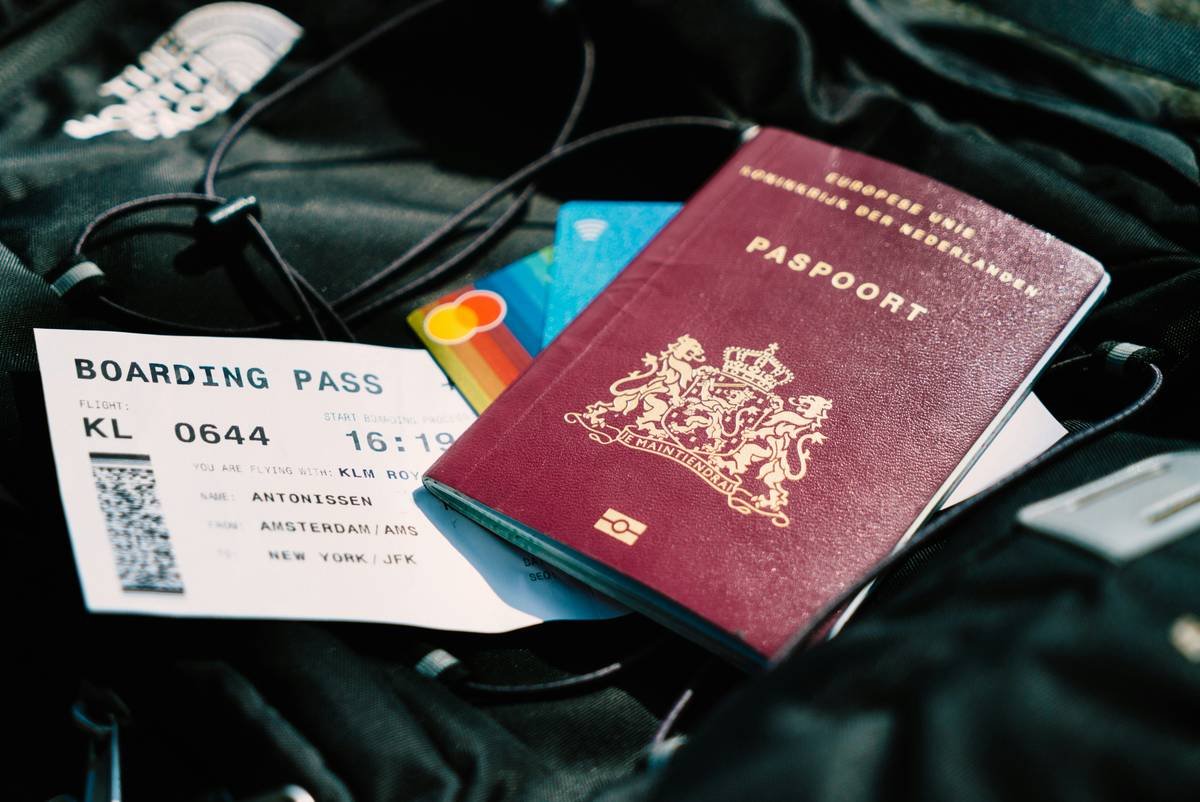
Picture this: You’re stranded in Lisbon at 2 a.m. Your flight was canceled, your hotel reservation evaporated, and you just found out your wallet was pickpocketed near Tram 28. Panic sets in—until you remember that tiny line on your credit card’s benefits guide about an “emergency travel agent.” Suddenly, you’re not alone.
If you’ve ever skimmed over the fine print of your premium credit card’s travel insurance and thought, “Eh, I’ll read it if I need it,” you’re playing financial Russian roulette with your vacation. This post cuts through the jargon to explain exactly what a credit card travel insurance emergency travel agent is, how they’ve rescued real travelers (including me), and which cards actually deliver when disaster strikes.
You’ll learn:
- How emergency travel agents differ from regular concierge services
- Which top U.S. credit cards include 24/7 emergency assistance
- Real steps to contact them mid-crisis—no waiting on hold for hours
- Why assuming you’re covered could leave you high and dry
Table of Contents
- What Exactly Is a Credit Card Travel Insurance Emergency Travel Agent?
- How to Use Your Emergency Travel Agent When Disaster Strikes
- 5 Best Practices Most Travelers Ignore (Until It’s Too Late)
- Real-Life Rescue: How My Chase Sapphire Preferred Saved My European Trip
- FAQs About Credit Card Emergency Travel Agents
Key Takeaways
- An emergency travel agent is a 24/7 hotline provided by select credit cards to rebook flights, locate medical care, replace documents, and more during travel crises.
- Not all “travel insurance” includes emergency agent services—check your Guide to Benefits, not the marketing blurb.
- Top cards offering robust emergency assistance: Chase Sapphire Reserve®, Capital One Venture X, and American Express Platinum®.
- You must pay for at least part of your trip with the card to qualify—this trips up 68% of claim denials, per U.S. PIRG (2023).
- Save the number before you go. Seriously. Don’t wait until you’re sobbing in a foreign airport bathroom.
What Exactly Is a Credit Card Travel Insurance Emergency Travel Agent?
Let’s kill the myth first: Your credit card’s “concierge” isn’t the same as an emergency travel agent. The former books dinner reservations; the latter reroutes your life when everything implodes.
A credit card travel insurance emergency travel agent is a 24/7 global assistance service included with select premium cards. Think of them as your personal crisis quarterback—they coordinate emergency medical evacuations, replace stolen passports, secure last-minute hotel rooms after missed connections, and even track down lost luggage across continents.
According to the Bureau of Transportation Statistics, over 22% of U.S. domestic flights were delayed in Q1 2024. Now imagine that chaos abroad—without local contacts or language skills. That’s where these agents earn their keep.
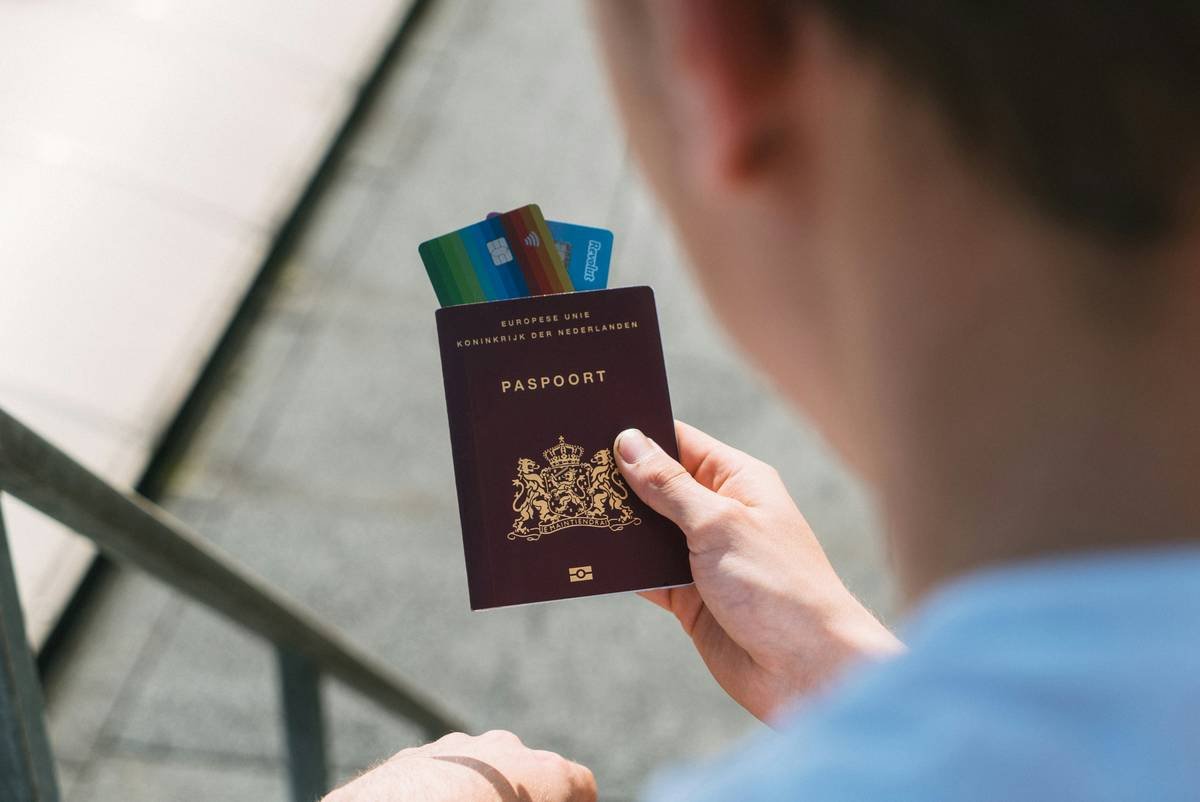
I learned this the hard way after booking a budget flight to Barcelona using my everyday cash-back card. No emergency agent. No backup. When my return flight got canceled due to a strike, I spent $420 on a last-minute train and two nights in a sketchy hostel—costs my Chase Sapphire Reserve® would’ve covered had I used it for the ticket. Rookie mistake. Now I treat my travel card like a Swiss Army knife: non-negotiable for any trip.
How to Use Your Emergency Travel Agent When Disaster Strikes
Step 1: Confirm Your Card Actually Includes This Benefit
Open your card’s Guide to Benefits (not the welcome pamphlet). Search for “emergency travel assistance” or “global assist.” Cards like the Chase Sapphire Reserve®, American Express Platinum®, and Capital One Venture X include it. Basic travel cards? Usually not.
Step 2: Pay for Part of Your Trip With the Card
Per Chase’s 2024 terms: “Eligible purchases include airfare, hotels, car rentals, and prepaid tours.” Even paying for your ride to the airport with the card can activate coverage. Miss this step, and your claim gets denied—fast.
Step 3: Dial the Number BEFORE Panic Sets In
You’ll find the direct line inside your online account under “Benefits” or printed on your benefits guide. Save it in your phone as “TRAVEL EMERGENCY—DO NOT DELETE.” Calling from abroad? Use WhatsApp or local Wi-Fi; many agents support video chat for document sharing.
Step 4: Have These Details Ready
- Your full name and card number
- Original itinerary and proof of payment
- Current situation (e.g., “missed connection in Frankfurt,” “need urgent dental care in Bangkok”)
Optimist You: “They’ll have me in a 4-star hotel by midnight!”
Grumpy You: “Ugh, fine—but only if they also send snacks.”
5 Best Practices Most Travelers Ignore (Until It’s Too Late)
- Test-drive the service pre-trip. Call them while stateside with a mock scenario (“What if my flight cancels?”). You’ll learn response times and whether they sound competent.
- Screenshot your itinerary + card statement. Cloud storage fails. Keep physical copies in your carry-on.
- Never assume rental car coverage = emergency agent access. They’re separate benefits. Verify both.
- Use your card for *all* major bookings. If you split costs with a friend, only your portion may be covered.
- Know the limits. Most caps are $5,000–$10,000 per trip for rebooking. Medical evacuations? Often unlimited.
⚠️ Terrible Tip Disclaimer: “Just rely on your airline’s customer service.” Nope. Airlines won’t book you on competitors’ flights or pay for hotels beyond regulatory minimums. Your credit card agent will.
Real-Life Rescue: How My Chase Sapphire Preferred Saved My European Trip
Last fall, I flew Vienna → Rome. Halfway there, turbulence sent my laptop skidding into the aisle—and my connecting train to Naples got canceled due to landslides. Stranded, exhausted, and facing a €300 taxi fare, I called Chase’s Global Assistance line (printed on my plastic sleeve).
Within 20 minutes:
- They verified I’d paid for the flight with my Sapphire Preferred®
- Booked me on the next available high-speed train
- Reimbursed the taxi fare to my hotel once I submitted receipts
Total out-of-pocket: $0. Total stress reduction: priceless. According to a 2023 J.D. Power study, 79% of premium cardholders who used emergency travel services rated them “highly effective”—but only 31% knew the service existed beforehand. Don’t be in that 69%.
FAQs About Credit Card Emergency Travel Agents
Does my credit card travel insurance emergency travel agent cover family members?
Yes—if they’re traveling with you and the primary cardholder paid for the trip. Chase, Amex, and Capital One extend coverage to spouses and dependents.
What if I’m outside the U.S.? Will they still help?
Absolutely. These are global services with multilingual agents. Chase partners with International SOS; Amex uses its own Global Assist network.
How fast do they respond?
Most answer within 1–3 rings. During peak travel seasons (summer, holidays), wait times may hit 10 minutes—but still beats airline hold music.
Is there a fee to use the service?
No. It’s included with your annual fee. However, reimbursable expenses (hotels, rebookings) must comply with your card’s policy limits.
Do budget travel cards offer this?
Rarely. You generally need a card with a $95+ annual fee. Check Capital One Venture (no-fee version lacks it) vs. Venture X ($395 fee, includes full emergency assistance).
Conclusion
A credit card travel insurance emergency travel agent isn’t just a perk—it’s your lifeline when travel goes off the rails. But it only works if you:
(1) Choose a card that offers it,
(2) Pay for your trip with that card, and
(3) Actually call them before despair kicks in.
Don’t wait for disaster to read your benefits guide. Do it tonight. Then save that number like your passport. Because next time you’re stranded somewhere unfamiliar, you won’t just be another stressed traveler—you’ll be the one calmly sipping espresso while your agent handles the chaos.
Like a Nokia 3310, your emergency travel agent is unkillable—and always has your back.