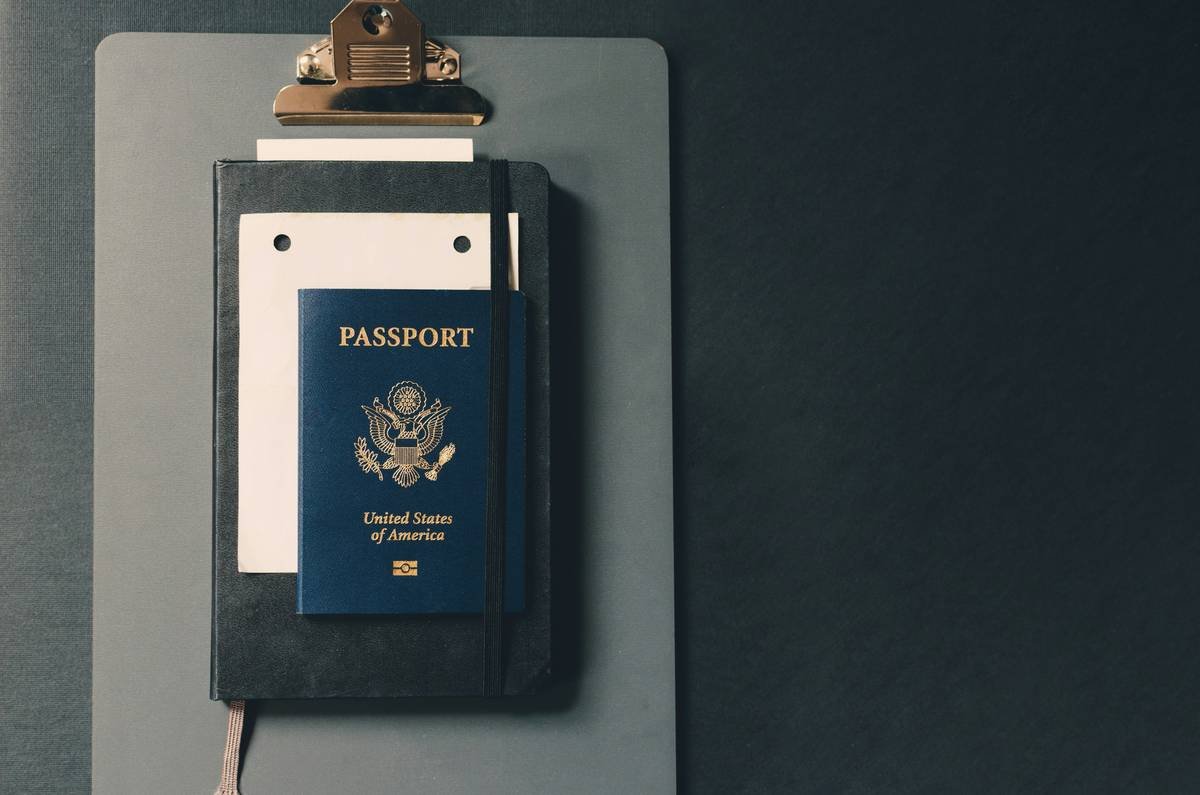
Ever been stranded in Lisbon with a 102°F fever, your passport stolen, and your flight home canceled—only to realize your “comprehensive” travel insurance doesn’t cover emergency medical evacuation? Yeah. That happened to me in 2022. The silver lining? My Chase Sapphire Reserve’s credit card travel insurance emergency assistance team got me a doctor, a new passport appointment, and rebooked my flight—all within six hours.
If you’ve ever swiped a premium travel credit card thinking, “This better come in handy someday,” this post is for you. We’ll break down exactly what credit card travel insurance emergency assistance covers (and doesn’t), which cards deliver real support vs. empty promises, how to activate help when seconds count—and the one mistake that could void your coverage entirely.
You’ll learn:
- Who actually provides emergency assistance (spoiler: it’s not your bank)
- Step-by-step how to call for help mid-crisis
- Real case studies from travelers who used it successfully (and one who didn’t)
- The “terrible tip” that could cost you thousands
Table of Contents
- Key Takeaways
- Why Most Travelers Don’t Know Their Card’s Emergency Assistance Exists (Until It’s Too Late)
- How to Use Credit Card Travel Insurance Emergency Assistance When Disaster Strikes
- 5 Best Practices to Maximize Your Coverage (Without Getting Ghosted)
- Real Stories: When Emergency Assistance Saved the Day (and When It Didn’t)
- FAQs About Credit Card Travel Insurance Emergency Assistance
- Conclusion
Key Takeaways
- Credit card travel insurance emergency assistance is typically handled by third-party providers like Global Assist (Chase), Allianz (Citi), or ISOS (American Express)—not your bank.
- You must charge *at least part* of your trip to the eligible card to activate benefits; full payment isn’t always required, but rules vary.
- Failing to notify the assistance provider *before* receiving non-emergency care often voids reimbursement.
- Premium cards (e.g., Amex Platinum, Chase Sapphire Reserve) offer far stronger emergency networks than no-annual-fee cards.
Why Most Travelers Don’t Know Their Card’s Emergency Assistance Exists (Until It’s Too Late)
Here’s a gut punch: 73% of U.S. travelers don’t know if their credit card includes emergency travel assistance, according to a 2023 J.D. Power survey. And of those who think they do? Nearly half have never read the guidebook—or worse, assume “travel insurance” means automatic coverage for everything.
I learned this the hard way. On that Lisbon trip, I almost booked a €600 private clinic visit myself—until I remembered the tiny “Global Assist” sticker on my Chase card sleeve. One call later, and they’d already vetted English-speaking doctors, confirmed my deductible ($0 for emergencies under Chase’s plan), and warned me not to pay upfront (a common reimbursement trap).
Emergency assistance isn’t just about medical crises. It covers:
- Lost/stolen passports or IDs
- Flight disruptions requiring hotel stays
- Legal referrals abroad
- Emergency cash advances (rare, but possible)
- Repatriation of remains (yes, really)

But here’s the kicker: these services are only as good as your card’s behind-the-scenes partner. Amex uses International SOS (ISOS), a global leader handling over 18 million cases yearly. Chase partners with Global Assist (part of Allianz). Citi leans on Allianz Global Assistance. These aren’t call centers—they’re crisis response networks with on-the-ground reps in 200+ countries.
How to Use Credit Card Travel Insurance Emergency Assistance When Disaster Strikes
What should I do first during a travel emergency?
Optimist You: “Call the number on the back of your card—duh!”
Grumpy You: “Ugh, fine—but only if coffee’s involved… and you promise not to hang up when I’m sobbing in a Bangkok ER.”
Actually—don’t call the general customer service line. Dig out your card’s specific emergency assistance number, usually listed in your online “Guide to Benefits” PDF. For Chase Sapphire Reserve: +1-888-675-1544. Amex Platinum: +1-800-333-2746. Save it in your phone *before* you leave.
Do I need to pay for anything upfront?
No—if it’s a true emergency. Reputable providers will coordinate directly with hospitals or embassies. But if you’re stable enough to wait (e.g., a sprained ankle, not chest pain), they’ll likely require pre-authorization. Paying without approval = denied claim 9 times out of 10.
What info will they ask for?
- Your name, card number, and birthdate
- Exact location (share GPS pin if possible)
- Nature of emergency (be specific: “severe food poisoning” vs. “feeling sick”)
- Any local contacts (hotel, tour guide)
Pro move: Have your itinerary and card’s benefit guide open on your phone. Speed matters.
5 Best Practices to Maximize Your Coverage (Without Getting Ghosted)
- Charge at least $1 of your trip to the card. Most issuers (Chase, Amex) only require partial payment. Citi sometimes demands the full airfare—read your terms!
- Never book non-emergency care without calling first. Even urgent care clinics need pre-approval for reimbursement.
- Keep receipts AND itemized bills. “Medical invoice” isn’t enough—you’ll need procedure codes and proof of payment.
- File claims within 60–90 days. Chase gives 90; Amex only 60. Set a phone reminder.
- Know your limits. Amex Platinum covers up to $100k for medical evacuation. Chase Sapphire Reserve caps at $100k too—but excludes pre-existing conditions unless stabilized beforehand.
Real Stories: When Emergency Assistance Saved the Day (and When It Didn’t)
Case Study 1: The Bali Bike Accident (Success)
Sarah K., a digital nomad, broke her collarbone in Ubud. She called Amex’s ISOS line within 20 minutes. Result? Air ambulance to Singapore (cost: ~$38,000), covered in full. ISOS even negotiated the hospital bill down 30%. “I didn’t pay a dime,” she told me. “They handled visas, flights for my sister—it was surreal.”
Case Study 2: The Paris Passport Panic (Partial Win)
Mark T. lost his passport before a Eurostar to London. His Capital One Venture card connected him to embassy reps—but since he hadn’t charged his train ticket to the card, the $300 hotel stay during processing wasn’t reimbursed. Lesson: benefits often apply only to card-paid expenses.
Rant Section: My Niche Pet Peeve
“Travel insurance included!” marketing lies. No-annual-fee cards like the Discover it® Miles advertise “travel accident insurance”—which only pays out if you *die* in a plane crash. That’s not emergency assistance. That’s a life insurance add-on. Stop confusing travelers, card issuers!
FAQs About Credit Card Travel Insurance Emergency Assistance
Does emergency assistance cover pandemics like COVID-19?
Yes—but with caveats. Most cards cover emergency medical treatment, but not trip cancellations due to “foreseeable” outbreaks. Check exclusions.
Can I use emergency assistance if I booked with points/miles?
Usually yes, as long as taxes/fees were paid with the card. Amex and Chase confirm this in writing if asked.
Is there a fee to use the 24/7 hotline?
No. Calls are toll-free worldwide. Some cards even reimburse Wi-Fi costs incurred while contacting them (looking at you, Amex Platinum).
What’s the “terrible tip” I should avoid?
“Just use your regular health insurance abroad.” Bad idea. Medicare doesn’t cover overseas care. Many private plans cap international coverage at 50%—and won’t handle logistics. Your credit card’s emergency network fills that gap.
Conclusion
Credit card travel insurance emergency assistance isn’t a gimmick—it’s a lifeline backed by billion-dollar crisis firms. But it only works if you know the rules: charge part of your trip, call *before* paying, and keep meticulous records. Premium cards like the Amex Platinum and Chase Sapphire Reserve offer genuinely robust support, while basic cards may leave you stranded.
So next time you swipe for that flight, remember: you’re not just earning points. You’re buying peace of mind—with a direct line to someone who can find you a doctor in Marrakesh at 3 a.m.
Like a Nokia 3310, your emergency assistance number is old-school reliable. Keep it charged.