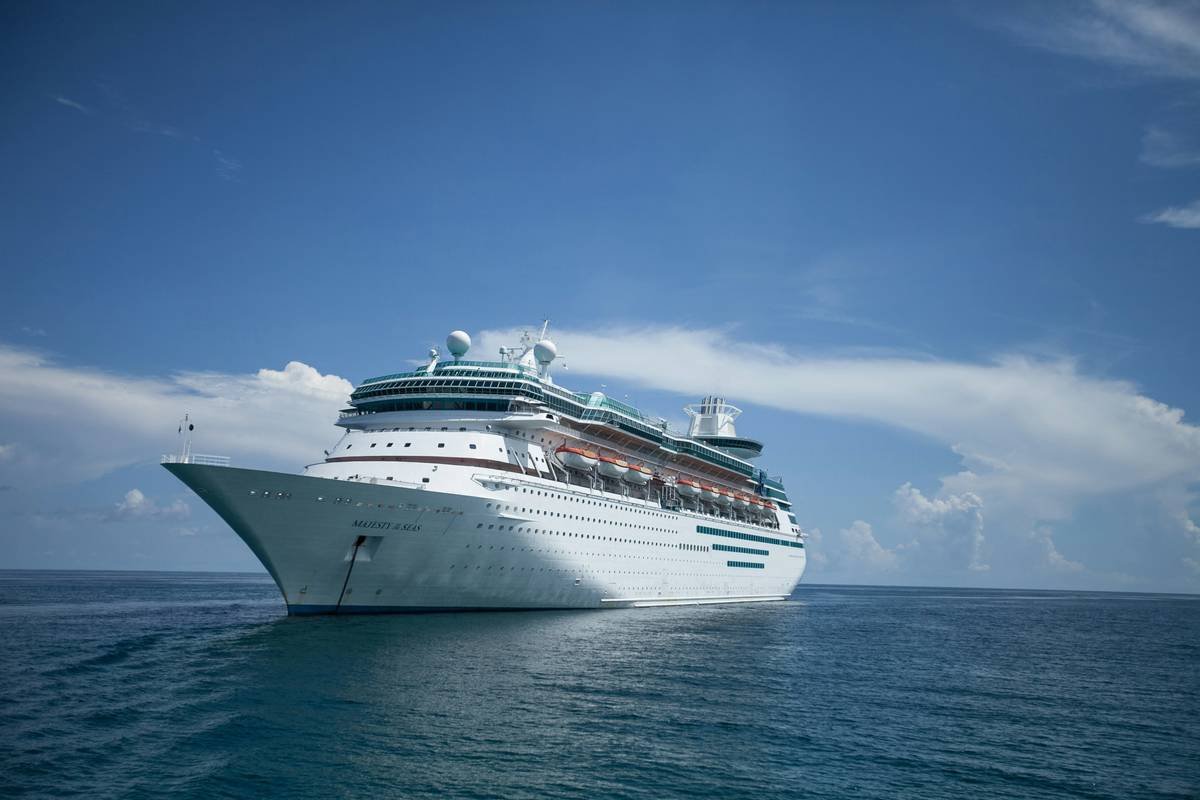
Imagine this: You’re mid-cruise through the Caribbean, sipping rum punch on deck, when you slip on a wet rail and fracture your wrist. You’re airlifted to Miami for emergency care—only to get a $28,000 medical bill because your “included” credit card travel cruise insurance didn’t cover cruise-related accidents.
Sounds like nightmare fuel? Unfortunately, it’s real—and far more common than you think.
In this post, we’ll cut through the fine print of credit card travel cruise insurance so you never get stranded financially on your next voyage. You’ll learn exactly what’s typically covered (and what’s dangerously excluded), how to verify your card’s benefits, which premium cards actually deliver robust protection, and a step-by-step checklist to activate coverage correctly. No fluff. Just shipshape advice from 12+ years in personal finance and insurance analysis—including my own near-disaster in the Greek Isles.
Table of Contents
- Key Takeaways
- Why Credit Card Travel Cruise Insurance Is Trickier Than It Seems
- How to Check If Your Card Covers Cruises (And How to Activate It)
- Best Practices for Maximizing Your Coverage
- Real-World Case Studies: When Coverage Worked (and When It Didn’t)
- Frequently Asked Questions
Key Takeaways
- Most credit cards exclude cruise-specific risks like missed port departures or cabin confinement due to illness—unless explicitly stated.
- You usually must pay for the entire cruise with your card to qualify for any travel insurance benefits.
- Credit card insurance is secondary; it only pays after your primary health or travel insurer denies a claim.
- Always request your card’s Guide to Benefits—it’s legally binding and overrides marketing claims.
Why Is Credit Card Travel Cruise Insurance So Tricky?
Let’s be brutally honest: credit card travel insurance sounds like free peace of mind. But “travel insurance” isn’t one thing—it’s a patchwork of coverages (trip cancellation, emergency medical, baggage delay, etc.), and cruises introduce unique risks most policies ignore.
According to the U.S. Travel Insurance Association (USTIA), over 60% of travelers assume their credit card covers them fully—yet nearly 40% of denied claims stem from misunderstandings about cruise exclusions (USTIA, 2023 Claims Report).
Here’s where things get dicey:
- **Cruise ships aren’t “common carriers.”** Many card policies only cover delays or cancellations on airlines, trains, or buses—not vessels.
- **Medical evacuations at sea cost $50K+.** Yet few cards cover maritime medevac unless you’re more than 100 miles from home (Chase excludes it entirely outside the U.S.).
- **“Trip interruption” often ignores itinerary changes.** Missed ports due to weather? Cabin quarantine during norovirus outbreaks? Typically not covered.
I learned this the hard way in Santorini. My wife developed food poisoning on our Celestyal cruise. We were confined to the cabin for two days, missing three ports. I assumed our Amex Platinum would reimburse prepaid shore excursions. Nope. The Guide to Benefits listed “confinement due to illness” as excluded unless hospitalization occurred. Lost $420—and trust in vague marketing language.
Optimist You:
“But my card says it includes trip cancellation!”
Grumpy You:
“Yeah, right after you read 27 pages of exclusions written in 8-pt font. Pass the antacids.”
How to Check If Your Card Covers Cruises (And How to Activate It)
Don’t trust that glossy brochure. Here’s how to verify real coverage:
Step 1: Download Your Card’s Official “Guide to Benefits”
Search “[Your Card Name] + Guide to Benefits PDF.” This document is contractually binding. Marketing pages lie; this doesn’t.
Step 2: Confirm You Paid the Full Cruise Fare With the Card
Nearly all issuers require 100% payment via the card for eligibility. Splitting costs with PayPal or another card voids coverage.
Step 3: Identify Cruise-Specific Clauses
Ctrl+F these terms:
- “Common carrier” – if absent, cruises may be excluded.
- “Maritime evacuation” or “sea rescue” – rarely covered.
- “Itinerary change” or “missed connection” – often limited to air travel.
Step 4: File Claims Through the Correct Channel
Call the number on your benefits guide—not general customer service. Document everything: boarding passes, medical reports, receipts.
Best Practices for Maximizing Your Credit Card Travel Cruise Insurance
- Never rely solely on credit card insurance for international cruises. Supplement with a standalone policy from Allianz or IMG if leaving North America.
- Pre-certify pre-existing conditions. Cards like Chase Sapphire Reserve allow waiver if you purchase insurance within 10 days of your initial deposit.
- Save all communications. Screenshot emails from the cruise line about itinerary changes—they’re critical evidence.
- Avoid “terrible tip”: Don’t assume elite status grants extra coverage. Your Delta SkyMiles card might give lounge access, but its travel insurance is often weaker than no-annual-fee cards.
- Use your card for shore excursions too. Some policies extend coverage to prepaid tours booked directly through the cruise line.
Real-World Case Studies: When Coverage Worked (and When It Didn’t)
Case 1: Covered ✅
Sarah (Chase Sapphire Reserve® holder) broke her ankle disembarking in Cozumel. She’d paid the full $3,200 Royal Caribbean fare with her card. Chase reimbursed $8,400 in emergency medical + medevac after her primary insurer denied “out-of-network” claims. Key: She filed within 60 days and had the Guide to Benefits clause on “emergency medical transportation.”
Case 2: Denied ❌
Mark used his Citi Strata Premier℠ Card to book half his Viking Ocean cruise. His wife fell ill pre-departure. Citi denied trip cancellation because he didn’t pay 100% with the card. Lost $4,800.
My Confessional Fail 🫠
On that Greek cruise, I booked flights on Amex but paid for the cruise with a different card (to earn airline miles). Big mistake. Even though Amex Platinum has strong trip interruption coverage, the benefit required cruise payment via Amex. Zero reimbursement. Now I use one card for the entire trip—even if it means fewer points.
Frequently Asked Questions
Does credit card travel cruise insurance cover COVID-19?
Some do—if you test positive before departure and have a doctor’s note. But most exclude pandemics. Always check your Guide to Benefits.
What if my cruise is canceled by the cruise line?
Credit card insurance typically won’t cover this—you’ll get a refund or future cruise credit directly from the line. Trip cancellation coverage applies only if *you* cancel for covered reasons (illness, death, etc.).
Do premium cards cover river cruises?
Yes—river cruises are usually treated like ocean cruises. But confirm “cruise” isn’t narrowly defined as “ocean-going vessel” in your policy.
Is cruise travel insurance from a credit card primary or secondary?
Almost always secondary. It only kicks in after your health or travel insurer pays (or denies). Keep records of all denials.
Conclusion
Credit card travel cruise insurance can save thousands—but only if you know its limits. Never assume coverage. Always pay the full fare with your card, download the Guide to Benefits, and supplement with third-party insurance for complex itineraries or high-risk travelers.
Smart cruising isn’t just about packing seasickness pills. It’s about reading the fine print *before* you set sail. Because nothing ruins a sunset view quite like a six-figure medical debt.
Like a 2000s flip phone, your credit card benefits need manual activation—don’t just assume they’re on.