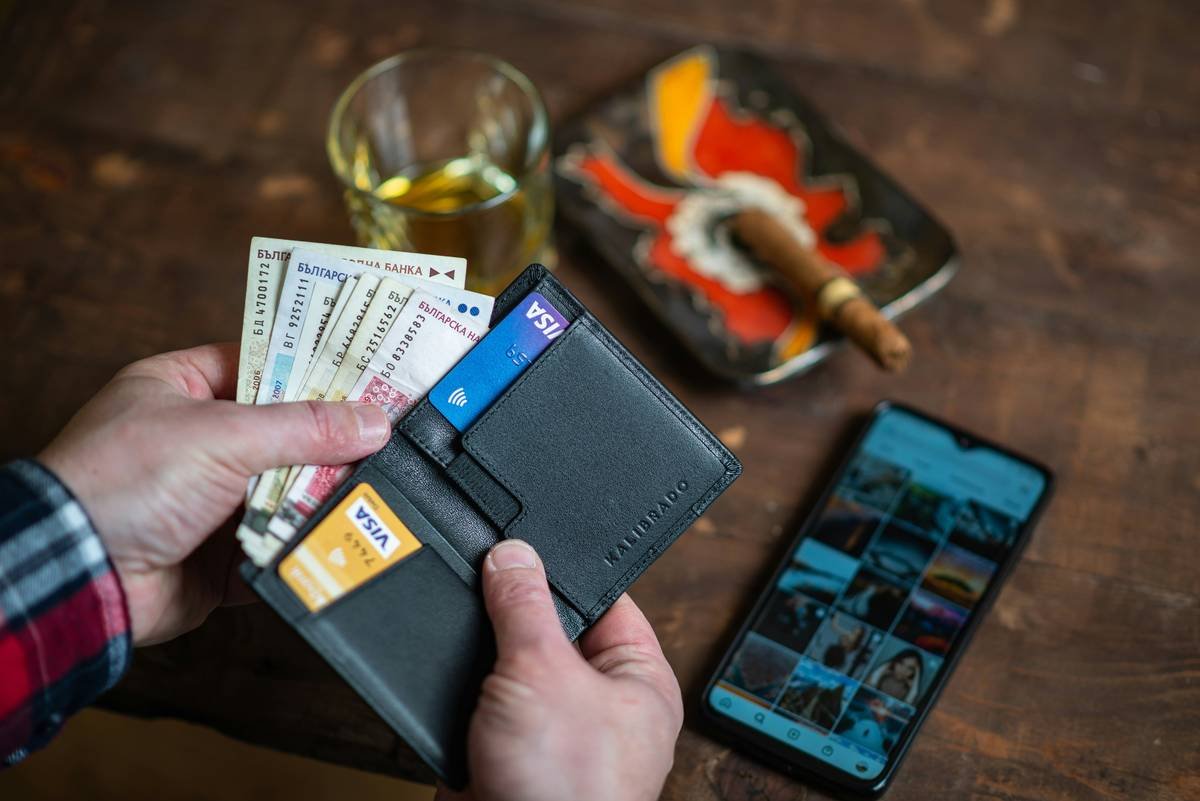
Ever stood at a foreign ATM at 2 a.m., passport clutched in one hand, phone dying in the other, realizing your wallet’s been pickpocketed—and your only lifeline is a credit card offering an “Emergency Cash Advance”? Yeah. I’ve been there. In Barcelona. Rain pouring. Shoes soaked. And that little “cash advance” option blinking like a neon siren of last resort.
If you’re relying on credit card travel insurance, you need to know exactly how Emergency Cash Advances work—because they can save your trip or sink your finances. This post cuts through the fine print. You’ll learn when these advances are covered by travel insurance, how much they really cost (spoiler: it’s steep), and which cards actually deliver without leaving you stranded. We’ll also dissect real cases, warn you about predatory traps, and give you a step-by-step playbook for using this feature responsibly.
Table of Contents
- Key Takeaways
- What Is an Emergency Cash Advance?
- Step-by-Step: How to Access One Safely
- Best Practices to Avoid Financial Disaster
- Real-World Case Studies
- FAQs About Emergency Cash Advances
Key Takeaways
- Emergency Cash Advances are not loans—they’re immediate cash withdrawals against your credit limit, often with 25%+ APR and 3–5% upfront fees.
- Only select premium travel cards (e.g., Chase Sapphire Reserve®, Amex Platinum®) include Emergency Cash Advance coverage as part of their travel insurance suite—but usually capped at $1,000–$2,000.
- Coverage typically requires proof of loss/theft + police report; it’s reimbursement-based, not instant cash.
- You’ll pay interest from day one—no grace period. Ever.
- Using this feature without understanding terms can trigger penalty APRs or hurt your credit utilization ratio.
What Is an Emergency Cash Advance? (And Why Most Travelers Get It Wrong)
An Emergency Cash Advance isn’t a magic wand—it’s a high-cost financial product disguised as relief. Technically, it’s a cash withdrawal from your credit card account, processed through ATMs, bank tellers, or even Western Union in some cases. But unlike regular purchases, interest starts accruing immediately, there’s no billing cycle grace period, and you’re slapped with a cash advance fee (usually 3–5% of the amount).
Here’s where confusion kicks in: many travelers assume their card’s “travel insurance” includes free emergency cash. Nope. Only specific premium cards bundle a reimbursement benefit under trip interruption or lost luggage coverage—not unlimited access to your credit line. According to the 2023 J.D. Power U.S. Credit Card Satisfaction Study, 68% of cardholders didn’t realize cash advances weren’t covered by standard purchase protection.

Optimist You: “My card has travel insurance, so I’m covered!”
Grumpy You: “Ugh, fine—but only if you’ve read the 47-page benefits guide AND filed a police report within 24 hours.”
Step-by-Step: How to Access One Safely (Without Wrecking Your Finances)
1. Confirm Your Card Actually Offers This Benefit
Don’t assume. Log into your issuer’s benefits portal (e.g., Chase Ultimate Rewards®, Amex Offers). Search “Emergency Assistance” or “Trip Interruption.” For example, the Chase Sapphire Reserve® provides up to $1,000 via Visa Infinite Emergency Cash Service—but only after verifying your identity and filing a claim.
2. File a Police Report Immediately
Travel insurance providers like Allianz Global Assistance (who backs many card programs) require official documentation of theft/loss within 24–48 hours. No report = no reimbursement.
3. Call the 24/7 Assistance Line—Not Just the Regular Customer Service
Premium cards have dedicated emergency numbers (found on the back of your card or benefits guide). Tell them: “I need to initiate an Emergency Cash Advance under my travel insurance benefit.” They’ll verify your location, incident details, and eligibility.
4. Understand the Reimbursement Timeline
This isn’t instant cash in hand. You’ll likely withdraw via ATM (paying fees/APR upfront), then submit receipts for reimbursement. Processing takes 2–6 weeks. Keep every slip!
5. Limit the Amount to Absolute Necessities
Food, shelter, transportation home. Not souvenirs or a fancy dinner “to cope.” Most policies cap reimbursement at $1,000–$2,000.
Best Practices to Avoid Financial Disaster
- Never use a cash advance unless truly stranded. Borrow from a friend, use mobile banking, or contact your embassy first.
- Track every penny. Save ATM slips, police reports, hotel invoices—you’ll need them for claims.
- Pay it off in full ASAP. Even if reimbursed later, that balance accrues daily interest. A $1,000 advance at 29.99% APR costs ~$2.46/day.
- Avoid weekend/holiday withdrawals. Some banks charge extra for non-business-day transactions.
- Check foreign transaction fees. Even if your card waives them on purchases, cash advances often still incur 1–3%.
Rant Section: Why do issuers bury cash advance terms in Appendix D, subsection 7(b)? I once saw a client charged a $35 “convenience fee” by a Bangkok bank on top of their 5% cash advance fee—because their card’s fine print allowed third-party surcharges. That’s not a benefit; it’s a booby trap.
Terrible Tip Disclaimer: “Just max out your cash advance limit—it’s free money until you get home!” NO. This tanks your credit utilization (hurting your score) and could trigger over-limit fees. Plus, interest compounds daily. Chef’s kiss for financial self-sabotage.
Real-World Case Studies: When It Works (and When It Backfires)
Case 1: Sarah K., Lisbon – SUCCESS
Sarah’s wallet was stolen on Day 2 of her Portugal trip. She filed a police report within 4 hours, called Chase’s emergency line, and withdrew €500 (~$540) from a local ATM. She submitted her claim with receipts and got fully reimbursed in 18 days. Total cost: $0 (after reimbursement), but she paid $13.50 in interest during processing (paid off immediately upon return).
Case 2: Mark T., Bangkok – DISASTER
Mark took a $1,500 cash advance thinking his Capital One Venture X would cover it. He didn’t file a police report. His claim was denied. Result: $75 cash advance fee + $36/month in interest until he paid it off 4 months later. His credit score dropped 22 points due to 45% utilization.
FAQs About Emergency Cash Advances
Does my credit card travel insurance cover Emergency Cash Advances automatically?
No. Only select premium cards (e.g., Chase Sapphire Reserve®, Amex Platinum®, Citi Prestige®) include this as a reimbursable benefit under trip interruption/loss coverage. Basic travel cards rarely do.
How much can I withdraw?
Limits vary by issuer and your credit line, but insurance reimbursements are typically capped at $1,000–$2,000. Your cash advance limit is often 30–50% of your total credit limit.
Do I pay interest if I get reimbursed later?
Yes. Interest accrues from the withdrawal date. Reimbursement covers the principal only—not interest or fees—unless explicitly stated (rare).
Can I use this in any country?
Most major networks (Visa, Mastercard) work globally, but check for sanctions or restrictions (e.g., Russia, Iran). Inform your bank of travel plans to avoid blocks.
What if I don’t have travel insurance on my card?
You can still take a cash advance—but it’s purely a high-cost loan with no safety net. Consider standalone travel insurance (like World Nomads) that includes emergency cash benefits.
Conclusion
Emergency Cash Advances are a double-edged sword: a potential trip-saver when backed by robust travel insurance, but a debt spiral waiting to happen if misunderstood. Always confirm your card’s specific coverage, document everything, and treat it as a last-resort tool—not a convenience. Used wisely, it gets you home safely. Used recklessly, it haunts your credit report for years.
Like a Tamagotchi, your credit health needs daily care—even when you’re stranded in a rainy alley in Barcelona.