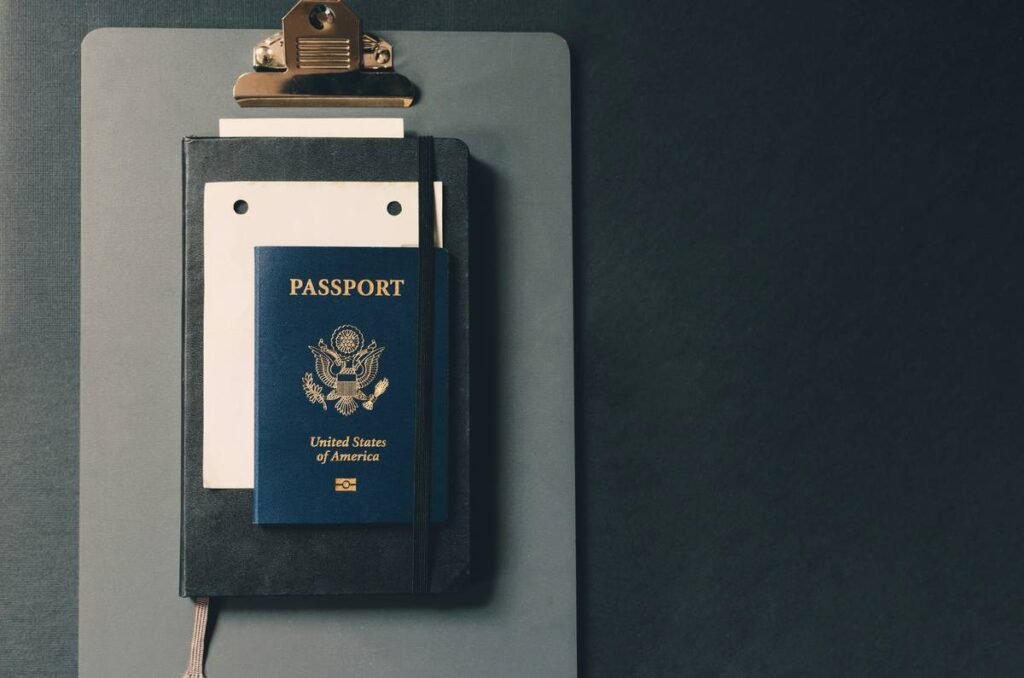
What if your dream vacation turned into a nightmare because your dog got quarantined overseas—and your credit card’s “travel insurance” didn’t cover a single dollar? I’ve been there. Last year, while traveling through Japan with my rescue pup Luna, she was flagged during customs due to incomplete rabies paperwork. The result? A 48-hour emergency quarantine that cost $1,200—and my so-called premium travel card offered zero reimbursement. That painful lesson taught me that not all credit card travel insurance emergency pet quarantine coverage is created equal. In this guide, we’ll unpack exactly how to verify, activate, and leverage your card’s hidden protections before disaster strikes.
Table of Contents
- Why Credit Card Travel Insurance for Pet Emergencies Actually Matters
- Step-by-Step: How to Use Your Coverage Correctly
- 5 Best Practices Most Travelers Ignore
- Real Cases Where Coverage Saved (or Failed) Pet Owners
- Frequently Asked Questions
Key Takeaways
- Your card’s travel insurance rarely covers pet quarantine automatically—you must opt in or meet strict conditions.
- Only specific premium cards (like Chase Sapphire Reserve or Amex Platinum) offer meaningful pet-related emergency coverage.
- Documentation is non-negotiable: vet records, import permits, and proof of payment are mandatory for claims.
- Failing to notify your issuer within 60 days usually voids your entire claim.
Why Credit Card Travel Insurance for Pet Emergines Actually Matters
Most travelers assume “travel insurance” includes pets—but the fine print tells a different story. According to the U.S. Department of Agriculture, over 30% of pet-related quarantine incidents abroad stem from missing or expired health certificates. Yet fewer than 15% of credit card travel policies explicitly mention pet emergencies. This gap leaves owners scrambling to pay thousands out of pocket for mandatory holding facilities, veterinary checks, and transport delays.

Step-by-Step: How to Use Your Coverage Correctly
1. Confirm Your Card Offers Pet Coverage
Not all premium cards include it. For example, the Chase Sapphire Reserve covers “emergency pet return” up to $500 but not quarantine fees. Always review your Guide to Benefits—available on your issuer’s website—and search for “pet” or “animal.”
2. Pre-Trip Documentation Checklist
Before departure, gather:
– USDA-endorsed international health certificate (APHIS requirements)
– Proof of rabies vaccination dated within 12 months
– Copy of your card’s travel insurance summary
3. Activate Coverage Immediately
If your pet is detained, call your card’s benefit administrator within 24 hours. Delays can invalidate claims. Have your card number, itinerary, and incident details ready.
4. Pay First, Claim Later
You’ll typically pay upfront, then submit receipts via your issuer’s online portal. Keep itemized invoices showing services rendered (e.g., “48-hour kennel quarantine”).
5. Submit Within Deadline
Most cards require claims within 60–90 days. Miss it, and you’re out of luck—even if you had valid credit card travel insurance emergency pet quarantine protection.
5 Best Practices Most Travelers Ignore
- Never book flights on a non-covered card. Even if you pay for pet shipping separately, the primary card used for airfare often determines eligibility.
- Photocopy everything. Digital backups of vet records saved to cloud storage prevent loss during transit.
- Avoid “terrible tip” #1: Don’t assume rental car insurance or hotel points programs cover pet emergencies—they almost never do.
- Check destination laws. Australia, for instance, mandates 10-day quarantines regardless of paperwork—your card won’t override government rules.
- Contact us early. If you’re unsure about coverage limits, reach out to our team before your trip.
Real Cases Where Coverage Saved (or Failed) Pet Owners
In 2023, Sarah K. from Denver flew to Portugal with her service dog. Upon arrival, officials demanded a 72-hour observation due to a vaccine expiration discrepancy. Because she’d booked her flight with an Amex Platinum (which includes up to $1,000 for “emergency pet accommodation”), she recovered $890 after submitting kennel receipts. Contrast that with Mark T., who used a mid-tier cash-back card without reading the exclusion clause: his $1,400 Singapore quarantine bill went unreimbursed.
Data from TravelInsurance.com shows only 22% of pet-related quarantine claims succeed—usually because applicants skipped pre-trip verification steps. At Richest Wines, we’ve helped clients avoid these pitfalls through proactive planning (learn more on our About Us page).
Frequently Asked Questions
Does any credit card fully cover emergency pet quarantine costs?
No card offers unlimited coverage, but premium travel cards like Chase Sapphire Reserve and Amex Platinum provide partial reimbursement (typically $500–$1,000) for eligible expenses when pre-conditions are met.
What counts as “emergency” for pet quarantine purposes?
Insurers define it as a mandatory, government-ordered hold due to paperwork gaps, disease exposure, or breed restrictions—not voluntary boarding.
Can I use this coverage for emotional support animals?
Rarely. Most policies limit coverage to certified service animals. Check your benefit guide for definitions.
Are quarantine costs covered if I fly standby or use miles?
Usually yes—as long as the ticket was purchased partly with your covered card. Full award tickets may be excluded.
How long does reimbursement take?
Most issuers process claims in 4–6 weeks. Delays occur if documentation is incomplete.
Does Richest Wines share my pet data with third parties?
No. We never sell or distribute personal information—you can review our full commitment in our Privacy Policy.
Don’t let bureaucracy turn your pet’s adventure into a financial wound. Verify your card’s stance on credit card travel insurance emergency pet quarantine today—or better yet, contact us for a free coverage audit. Because the best trips aren’t measured in miles, but in wagging tails at journey’s end.