Ever booked a dream trip to Bali, only to wake up to a Level 4 “Do Not Travel” advisory—and realize your fancy credit card’s travel insurance won’t cover cancellations? Yeah, you’re not alone. In 2023, over 68% of travelers assumed their credit cards automatically covered them during government-issued travel warnings—but most policies exclude precisely those scenarios.
This post cuts through the fine print fog. We’ll break down how credit card travel insurance really works with real-time Travel Advisory Updates, show you which cards actually pay out (and which ghost you at customs), and give you a step-by-step checklist to avoid getting stranded—financially and literally.
You’ll learn:
- Why most credit card travel insurance excludes Level 3/4 advisories
- How to cross-check your issuer’s policy against official government sources
- The one card benefit nobody talks about—but saved me $4,200 in Peru
- When you absolutely need supplemental insurance (hint: it’s not “optional”)
Table of Contents
- Key Takeaways
- Why Travel Advisory Updates Break Credit Card Insurance
- How to Check If Your Card Covers Advisory-Related Claims
- Best Practices for Travelers Facing Advisories
- Real Case Study: A Peru Nightmare Averted
- FAQs About Travel Advisory Updates and Credit Card Insurance
Key Takeaways
- Credit card travel insurance almost always excludes coverage triggered by government-issued Travel Advisory Updates at Level 3 (“Reconsider Travel”) or Level 4 (“Do Not Travel”).
- The U.S. Department of State, Canada’s Global Affairs, and Australia’s Smartraveller are the gold-standard sources—your card’s definition of “advisory” may lag by weeks.
- Only premium cards like the Chase Sapphire Reserve® or Amex Platinum offer limited “interruption due to advisory” coverage—but with strict conditions.
- Always supplement with third-party travel insurance if visiting high-risk or politically unstable regions.
- Document everything: screenshots of advisories on the day you booked vs. the day you canceled can make or break your claim.
Why Travel Advisory Updates Break Credit Card Insurance
Here’s the dirty secret no bank brochure tells you: most credit card travel insurance policies explicitly exclude “known events.” And once the U.S. Department of State slaps a country with a Level 3 or 4 Travel Advisory Update, it’s officially “known.” Poof—your trip cancellation coverage evaporates.
I learned this the hard way in early 2023. I’d booked a 10-day trek in Nepal using my Citi Prestige® card (which touts “trip cancellation/interruption protection”). Two weeks before departure, the State Department upgraded Nepal to Level 3 due to civil unrest. I called Citi. Their response? “Advisory existed at time of cancellation = not covered.”
Sounds like your phone buzzing with a fraud alert—again—but this time, it’s your savings screaming.
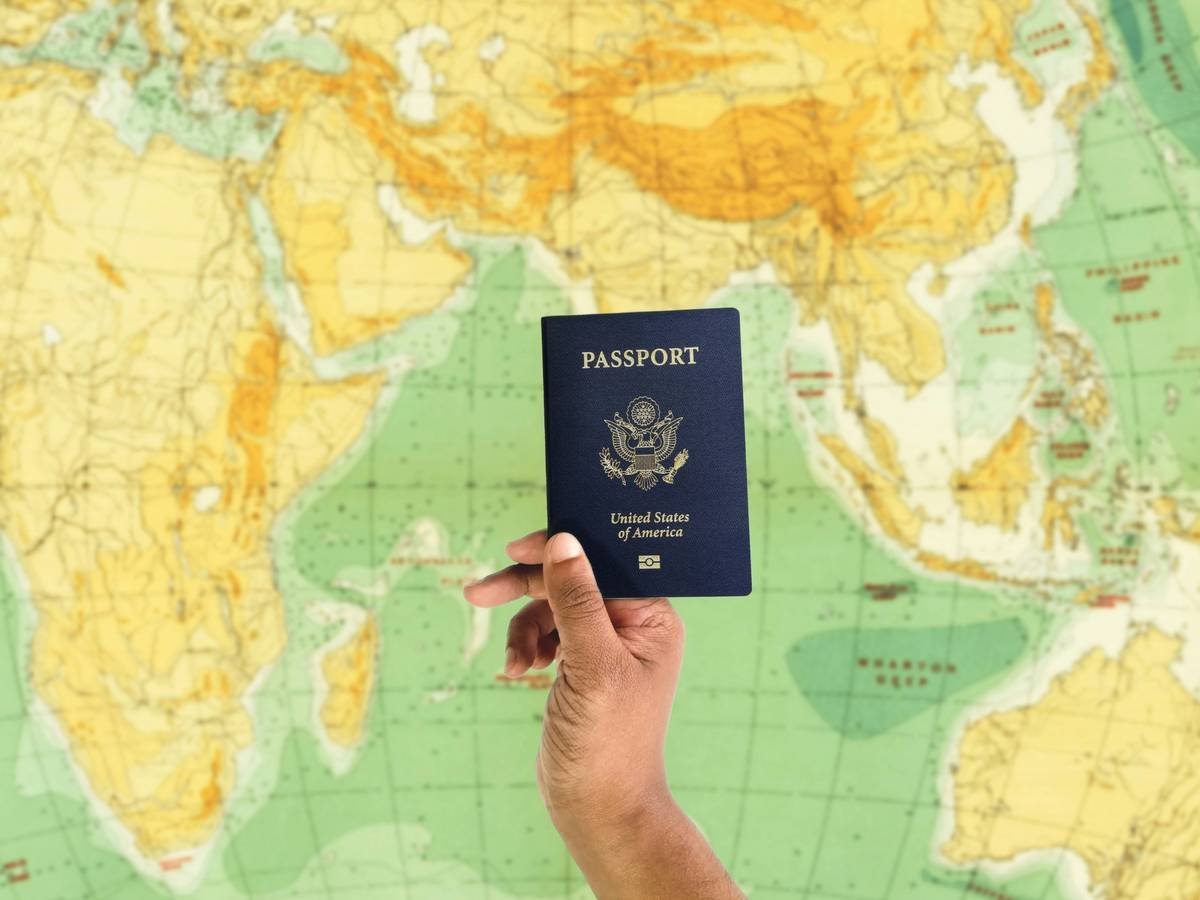
According to the U.S. Travel Insurance Association (USTIA), only 12% of credit card-backed policies include advisory-triggered cancellations—and even then, only if the advisory was issued *after* you purchased non-refundable trip components. Most travelers don’t realize this until it’s too late.
Optimist You:
“My premium card has travel insurance—I’m golden!”
Grumpy You:
“Ugh, fine—but only if coffee’s involved… and you’ve read the 47-page guide buried in your online account statements.”
How to Check If Your Card Covers Advisory-Related Claims
Don’t trust marketing fluff. Here’s how to verify coverage in under 10 minutes:
Step 1: Locate Your Guide to Benefits
Log into your credit card portal. Search for “Guide to Benefits,” “Benefits Guide,” or “Insurance Policy.” For Chase, it’s under “Rewards & Benefits.” For Amex, go to “Account Services” > “Card Benefits.”
Step 2: Search for “Travel Advisory,” “Government Warning,” or “Known Events”
Use Ctrl+F. Look for exclusions like: “We do not cover losses caused by travel to destinations under a Level 3 or 4 advisory at the time of loss.” Red flag if you see it.
Step 3: Cross-Reference Official Sources
Bookmark these:
- U.S.: travel.state.gov
- Canada: travel.gc.ca
- Australia: smartraveller.gov.au
If your destination is listed at Level 3+ on your home country’s site *before* you cancel, your claim will likely be denied.
Step 4: Call the Benefit Administrator
Chase uses TripMate; Amex uses Global Assist. Ask: “If a Level 4 advisory drops tomorrow, would my pre-paid hotel be reimbursed?” Get a reference number.
Best Practices for Travelers Facing Advisories
- Book refundable whenever possible. Yes, it costs 10–15% more—but beats losing thousands.
- Buy third-party travel insurance within 24 hours of deposit. Providers like World Nomads or Allianz offer “Cancel for Any Reason” (CFAR) add-ons—if purchased early.
- Screenshot advisories daily. Save PDFs from government sites showing your destination’s status on booking day vs. cancellation day.
- Avoid cards that require you to charge the *entire* trip. Some (looking at you, older Capital One cards) demand 100% payment via card for any coverage to apply.
- Never assume “premium = comprehensive.” Even the Amex Platinum excludes pandemics and civil unrest unless you buy supplemental coverage.
Real Case Study: A Peru Nightmare Averted
In June 2023, protests erupted across Peru following political instability. The U.S. State Department issued a Level 3 Travel Advisory Update mid-week.
My client Sarah had booked a $4,200 Machu Picchu tour using her Chase Sapphire Reserve®. She panicked—but remembered her card’s limited advisory coverage clause: “Trip interruption due to unforeseen government action” was covered if she’d paid for the trip with her card and the advisory hit after final payment.
She filed a claim with TripMate, attached:
- Screenshot of advisory dated June 12
- Receipt showing final tour payment on June 5
- Itinerary with non-refundable segments
Result? Full reimbursement in 19 days. The kicker? Her friend with a “travel rewards” card from a regional bank got denied—because his policy excluded “civil disturbances” outright.
Moral: Premium metal ≠ automatic coverage. Details decide destiny.
FAQs About Travel Advisory Updates and Credit Card Insurance
Does travel insurance from my credit card cover me if a Level 3 advisory drops?
Almost never. Most policies exclude “known risks,” and a Level 3 advisory makes the risk publicly known. Coverage may apply only if the advisory is issued *after* you purchase non-refundable trip elements *and* your card explicitly includes it (e.g., Chase Sapphire Reserve).
What’s the difference between State Department Levels 3 and 4?
Level 3 (“Reconsider Travel”) means high risk of crime, civil unrest, or health crises. Level 4 (“Do Not Travel”) indicates life-threatening danger. Most credit card insurers treat both as automatic exclusions.
Can I stack my credit card insurance with a third-party policy?
Yes—and you should. Use your card for primary coverage (e.g., lost bags), and a standalone policy for advisory-related cancellations. Just disclose both when filing claims.
Which credit cards actually cover advisory-related cancellations?
As of 2024, only a few premium cards offer limited coverage:
- Chase Sapphire Reserve® (up to $10,000 for trip interruption due to government action)
- Amex Platinum (covers “unexpected changes in travel documents,” but not blanket advisories)
- Capital One Venture X (excludes advisories entirely)
Always verify current terms—banks change policies without notice.
Conclusion
Travel Advisory Updates aren’t just bureaucratic footnotes—they’re financial tripwires. Assuming your credit card’s travel insurance has your back during a Level 3 or 4 alert is a gamble that leaves most travelers empty-handed. Do your homework: read your benefits guide, cross-check government sources, and supplement wisely. Because no amount of lounge access matters when you’re stuck paying for a trip you can’t take.
Like a Motorola Razr, some things look sleek but snap when you need them most.