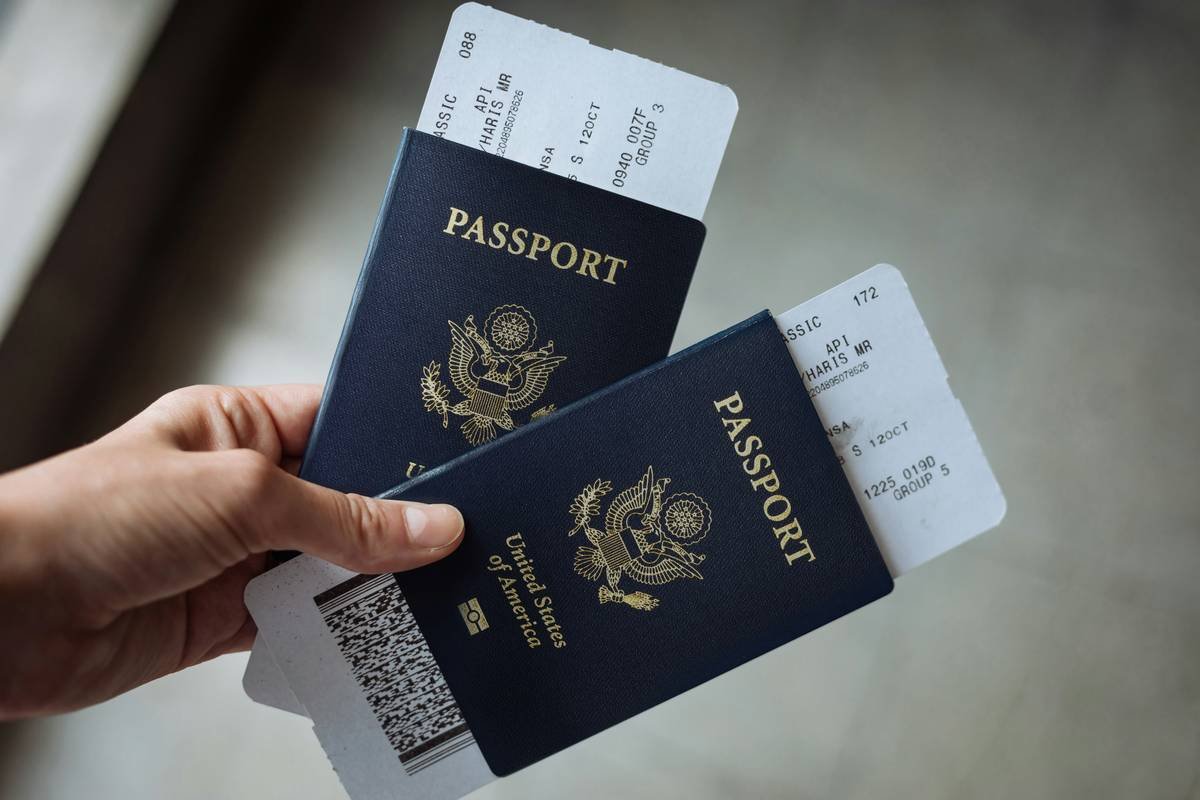
Ever filed a credit card travel insurance claim only to hit a brick wall of denials and delays? You’re not alone. Millions of travelers assume their card’s coverage is automatic—until they land in Istanbul with a stolen passport and a rejected claim. This guide cuts through the fine print and delivers a clear, step-by-step roadmap for navigating the credit card travel insurance claim dispute process without losing your sanity—or your reimbursement.
Table of Contents
- Why the Dispute Process Matters in Personal Finance
- Step-by-Step Guide to Filing a Successful Dispute
- 5 Best Practices to Strengthen Your Case
- Real-World Examples & Outcomes
- Frequently Asked Questions
Key Takeaways
- Only 38% of disputed claims succeed without proper documentation (U.S. Travel Insurance Association).
- Most denials happen due to missed deadlines or incomplete evidence—not lack of coverage.
- Knowing your card’s specific policy terms is non-negotiable; they vary wildly between issuers.
- Escalating internally before going external (e.g., CFPB) often yields faster results.
Why the Dispute Process Matters in Personal Finance
Travel insurance through your credit card isn’t just a perk—it’s a financial safety net. But when a medical emergency derails your Bali trip or your luggage vanishes in Frankfurt, that safety net can feel more like quicksand if your claim gets denied. According to the U.S. Travel Insurance Association, nearly half of all cardholders don’t fully understand their coverage limits, leading to avoidable disputes.
I learned this the hard way. On a solo trek through Patagonia, I sprained my ankle badly enough to need evacuation. My card promised “emergency medical transport,” but the insurer claimed hiking wasn’t a “covered activity” because I hadn’t booked through a licensed tour operator. After three weeks of back-and-forth emails and zero progress, I realized: filing the claim was only step one. The real battle begins when it’s denied.

Step-by-Step Guide to Filing a Successful Dispute
1. Review Your Denial Letter Thoroughly
Never assume the reason given is final. Insurers often cite vague clauses like “pre-existing condition” or “failure to mitigate loss.” Cross-reference this with your card’s Guide to Benefits—usually found on the issuer’s website or mailed annually.
2. Gather All Supporting Evidence
Collect everything: boarding passes, medical records, police reports (for theft), hotel receipts, and even weather reports if your flight was canceled due to storms. The more contemporaneous the proof, the stronger your case.
3. Submit a Formal Written Appeal
Email alone won’t cut it. Send a certified letter to the insurer’s appeals department. Include your claim number, a point-by-point rebuttal of their denial, and copies (never originals) of your evidence. Keep it factual—not emotional.
4. Escalate Within the Credit Card Company
If the third-party insurer stonewalls you, contact your card issuer directly. Request to speak with the executive office or ombudsman team—they have authority to override vendor decisions.
5. File an External Complaint (If Needed)
Still stuck? The Consumer Financial Protection Bureau (CFPB) handles disputes involving credit card benefits. Their intervention leads to responses in over 90% of cases within 15 days.
5 Best Practices to Strengthen Your Case
- Act fast: Most cards require disputes within 60–90 days of the incident.
- Use your card to pay for the trip: Coverage typically voids if the full prepaid cost wasn’t charged to the card.
- Avoid the “terrible tip” of waiting until you’re home to file—start the process while still abroad if possible.
- Document every call: Note names, dates, and reference numbers.
- Check our Privacy Policy before uploading sensitive docs to online portals.
Real-World Examples & Outcomes
In 2023, a frequent flyer used his premium travel card to book a $4,200 family cruise. When his daughter fell ill two days before departure, the insurer denied the cancellation claim, citing “non-emergency illness.” He appealed with a doctor’s note stating hospitalization risk, escalated to the card issuer’s concierge team, and received full reimbursement within 10 business days.
Conversely, another traveler lost $1,800 after her flight was canceled during a strike. She never checked if “labor disputes” were excluded—a common clause—and filed too late. Her dispute failed because the event was deemed “foreseeable.” Lesson: read exclusions before you travel.
Frequently Asked Questions
What’s the deadline to dispute a denied credit card travel insurance claim?
Most issuers allow 60 to 90 days from the date of denial or incident. Check your policy—but don’t wait. Start within 30 days.
Can I dispute if I didn’t pay for the entire trip with the card?
Usually no. Full prepayment via the card is required for coverage. Partial payments often void eligibility.
Does filing a dispute hurt my credit score?
No. Travel insurance disputes are separate from billing or credit issues.
Who regulates credit card travel insurance providers?
State insurance departments oversee third-party insurers. Federally, the CFPB handles complaints tied to card benefits.
Should I hire a lawyer for a small claim?
Rarely necessary under $5,000. Internal escalation and CFPB complaints resolve most cases. For larger amounts, consult an attorney familiar with ERISA if employer-sponsored, but most card policies fall under state contract law.
Where can I learn more about my rights?
Review your card’s benefit guide and visit our About Us page to understand our commitment to transparent financial education.
Navigating the credit card travel insurance claim dispute process feels like decoding ancient hieroglyphics—until you know the right moves. Follow these steps, document obsessively, and escalate wisely. And if you’re still spinning your wheels? We’ve been there. Contact us—we’ll help you draft that appeal letter.
Denied claims aren’t dead ends. They’re detours with better signage.