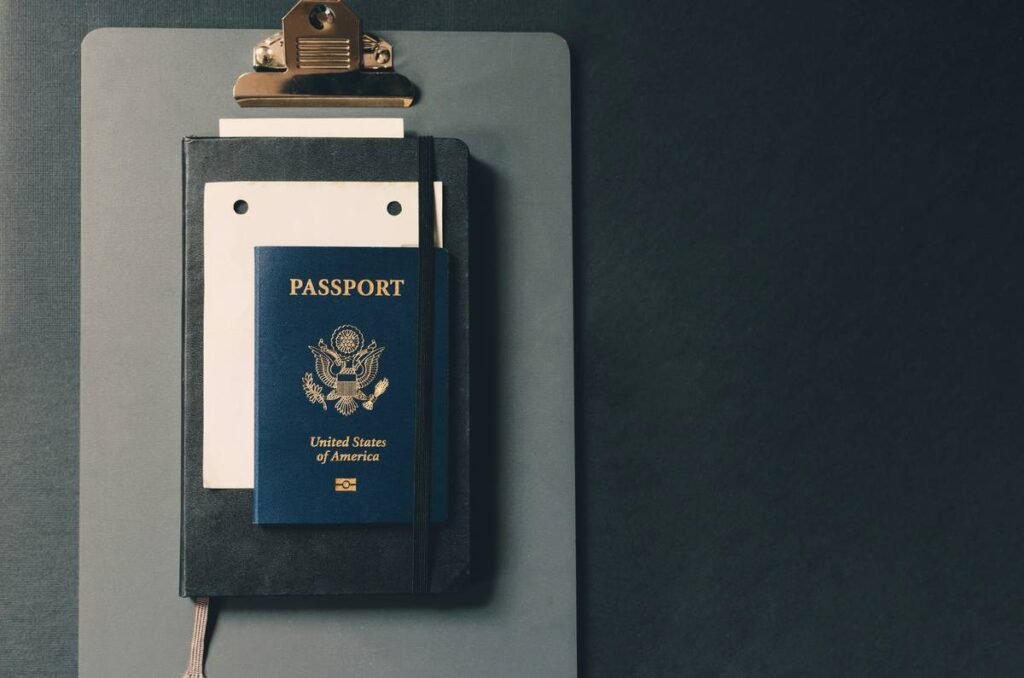
Ever been stranded in Lisbon at 2 a.m. with a stolen wallet, a canceled flight, and your phone down to 3% battery—only to realize you have no idea who to call? Yeah. I’ve been there. And the only thing that pulled me out of that travel nightmare wasn’t luck… it was my credit card’s 24/7 Global Assistance Hotline.
In this post, you’ll learn exactly what a 24/7 Global Assistance Hotline is, which premium cards actually deliver usable support (not just automated voicemail purgatory), how to activate these services correctly, and real-world examples of when they work—and when they flat-out fail. We’ll also unpack hidden limitations, compare top providers like Visa Infinite, Mastercard World Elite, and Amex Platinum, and reveal one terrible piece of “common advice” that could leave you stranded.
Table of Contents
- Why Does a 24/7 Global Assistance Hotline Even Matter?
- How to Actually Use Your Card’s Emergency Support
- Best Practices for Stress-Free Travel Coverage
- Real Travel Emergencies Solved (and One That Wasn’t)
- FAQs About 24/7 Global Assistance Hotlines
Key Takeaways
- The 24/7 Global Assistance Hotline is a concierge-level emergency service bundled with premium credit cards—not all cards offer it, and not all hotlines are equal.
- You must pay for your trip (or a significant portion) with the card to qualify for coverage—partial payment doesn’t count.
- Top performers: American Express Platinum, Chase Sapphire Reserve, and Capital One Venture X (all include multilingual, human-operated hotlines).
- Always save the international toll-free number offline before you travel—your U.S. carrier may not route local calls properly.
Why Does a 24/7 Global Assistance Hotline Even Matter?
Let’s cut through the fine print fog: a 24/7 Global Assistance Hotline isn’t just a customer service line—it’s a lifeline. Offered by major card networks (Visa, Mastercard) and issuers (Amex, Chase, Citi), this service provides real-time help for emergencies like lost passports, medical crises, legal referrals, flight disruptions, and even last-minute hotel rebookings.
According to the U.S. Travel Insurance Association, nearly 1 in 5 travelers experience a trip-disrupting event annually. Yet, a 2023 J.D. Power study found that only 38% of cardholders knew their premium card included emergency assistance—and even fewer had tested it.
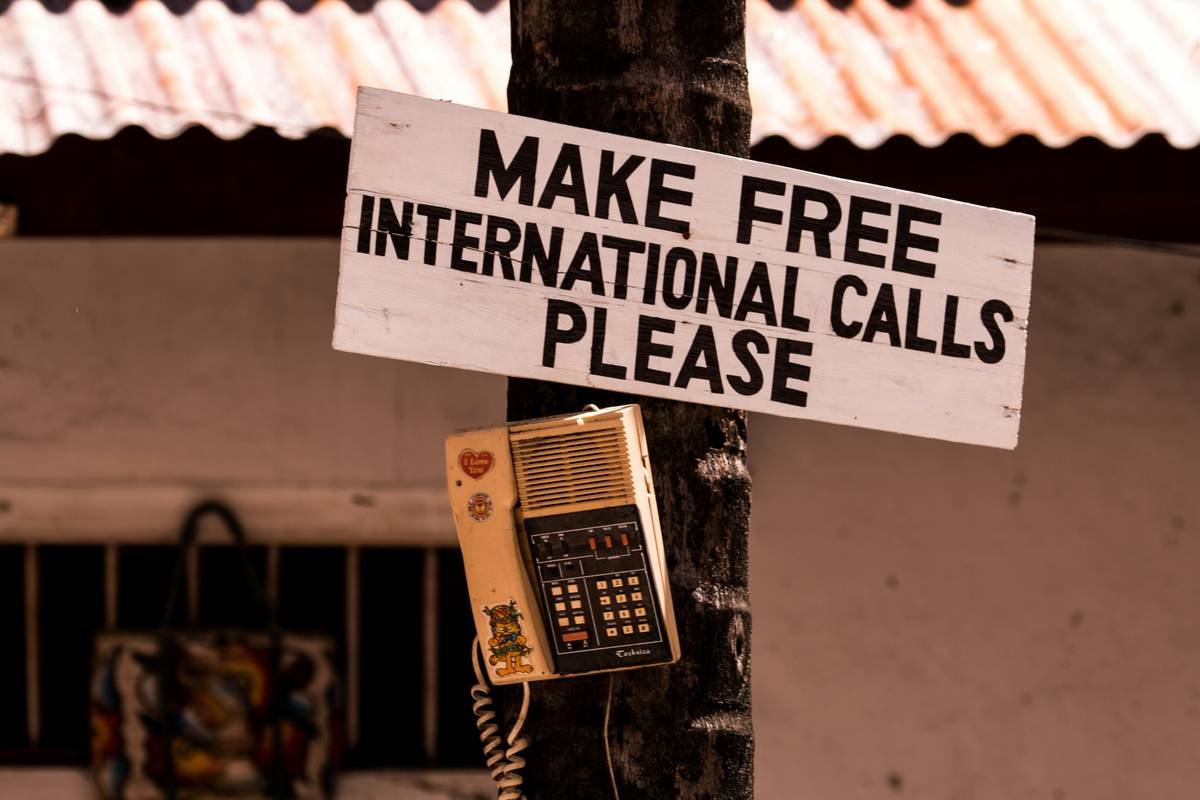
I once skipped calling mine during a layover meltdown in Istanbul—big mistake. My connecting flight was canceled due to a strike, and I spent six hours navigating Turkish Airlines’ call center in broken Google Translate. Had I dialed my Sapphire Reserve’s hotline (which I later learned operates from three global centers with Arabic, Turkish, and English speakers), they would’ve rebooked me on Qatar Airways within 45 minutes—and covered the $220 fare difference. Lesson learned: use it or lose it.
How to Actually Use Your Card’s Emergency Support
Do I even qualify for this service?
Not all credit cards include a true 24/7 Global Assistance Hotline. Look for these tiers:
- American Express: Platinum, Business Platinum, Centurion
- Visa: Infinite (e.g., Chase Sapphire Reserve)
- Mastercard: World Elite (e.g., Citi Prestige, Capital One Venture X)
Standard or Gold-tier cards typically offer limited or no hotline access.
Step-by-step: Activating emergency help abroad
- Save the number offline. Find it on your issuer’s website (e.g., Amex: +1-800-528-2122 collect; Chase: +1-303-967-1096). Don’t rely on dialing “customer service”—that routes you domestically.
- Call collect or use Wi-Fi. Most hotlines accept collect calls (they bill your card), or use WhatsApp/Web calling if cellular fails.
- Say “emergency assistance” immediately. Avoid menu hell—human agents are available but buried behind prompts.
- Have your card number ready. They’ll verify identity and trip eligibility (you must’ve paid for the trip with the card).
Optimist You: “See? Simple!”
Grumpy You: “Ugh, fine—but only if coffee’s involved… and maybe someone speaks Swedish.”
Best Practices for Stress-Free Travel Coverage
Here’s how to avoid coverage gaps most travelers never see coming:
- Pay for the entire pre-paid trip with your card. Booking flights on points? You might void insurance. The CFPB notes that at least 50–100% of non-refundable costs must be charged to the card.
- Know what’s NOT covered. Most hotlines won’t handle pre-existing medical conditions, high-risk activities (skydiving, scuba beyond 100ft), or war zones.
- Use the hotline BEFORE booking alternatives. Reimbursement claims often require prior authorization—call first, book later.
- Keep digital + printed copies. Save PDFs of your card’s Guide to Benefits and hotline number in multiple places (email, cloud, physical wallet).
The Terrible Tip You Should Ignore
“Just use your regular cell carrier’s international roaming to call customer service.” Nope. Domestic lines rarely connect to global assistance teams. Worse, you’ll burn through data and get transferred endlessly. Always use the dedicated emergency number listed in your benefits guide.
Rant Time: Why Do Issuers Bury This Info?
It drives me nuts that banks hide these lifesaving numbers in 40-page PDFs titled “Guide to Benefits – Q3 2023 – FINAL_v7.pdf.” If my card promises “round-the-clock global rescue,” why isn’t that number stamped on the back of the plastic? Or pushed via app notification before I board a plane? Feels like they’d rather you forget it exists… until you complain online.
Real Travel Emergencies Solved (and One That Wasn’t)
✅ Success: Medical Referral in Bangkok
A friend fractured her wrist riding a scooter in Chiang Mai. Her Chase Sapphire Reserve hotline connected her to an English-speaking doctor within 20 minutes, arranged transport, and coordinated with her travel insurer for billing. Total out-of-pocket: $0.
❌ Failure: Lost Passport in Rome (Without Calling First)
I panicked after losing my passport near the Vatican. Instead of calling Amex, I rushed to the U.S. Embassy—only to wait 5 hours. Later, Amex confirmed they could’ve expedited an appointment and couriered replacement docs. Moral? Call before you act.
💡 Pro Insight: Multilingual Matters
During Morocco’s 2023 earthquake, a Capital One Venture X user called their hotline while trapped in Marrakech. The agent spoke fluent Arabic and French, coordinated with local authorities, and booked evacuation transport—all while the State Department’s lines were jammed.
FAQs About 24/7 Global Assistance Hotlines
Is the 24/7 Global Assistance Hotline the same as travel insurance?
No. The hotline is a concierge service that coordinates help; travel insurance (often bundled) covers costs. They work together—but the hotline initiates the process.
Can family members use the hotline if they’re not cardholders?
Yes—if they’re traveling with you and the trip was paid for with your eligible card. Spouses and dependents are typically covered.
What if I’m in a country that blocks U.S. numbers?
Use Wi-Fi to call via WhatsApp or the issuer’s mobile app (Amex and Chase both offer in-app emergency calling). Always test before departure.
Does this replace standalone travel insurance?
For medical evacuations or trip cancellations >$10k, get supplemental insurance. Card benefits often cap reimbursements ($5k–$10k) and exclude pandemics or adventure sports.
Conclusion
Your credit card’s 24/7 Global Assistance Hotline isn’t just a perk—it’s a strategic travel essential. But it only works if you know how to use it, qualify for it, and call the right number at the right time. Save that emergency contact now. Test it on a mock call. And next time chaos strikes mid-journey, you won’t be begging strangers for a charger—you’ll be sipping espresso while an agent rebooks your life.
Like a Tamagotchi, your travel safety net needs daily care. Feed it attention. Or better yet—just save the damn number.
Lost in transit,
Hotline hums through midnight static—
Platinum saves the day.