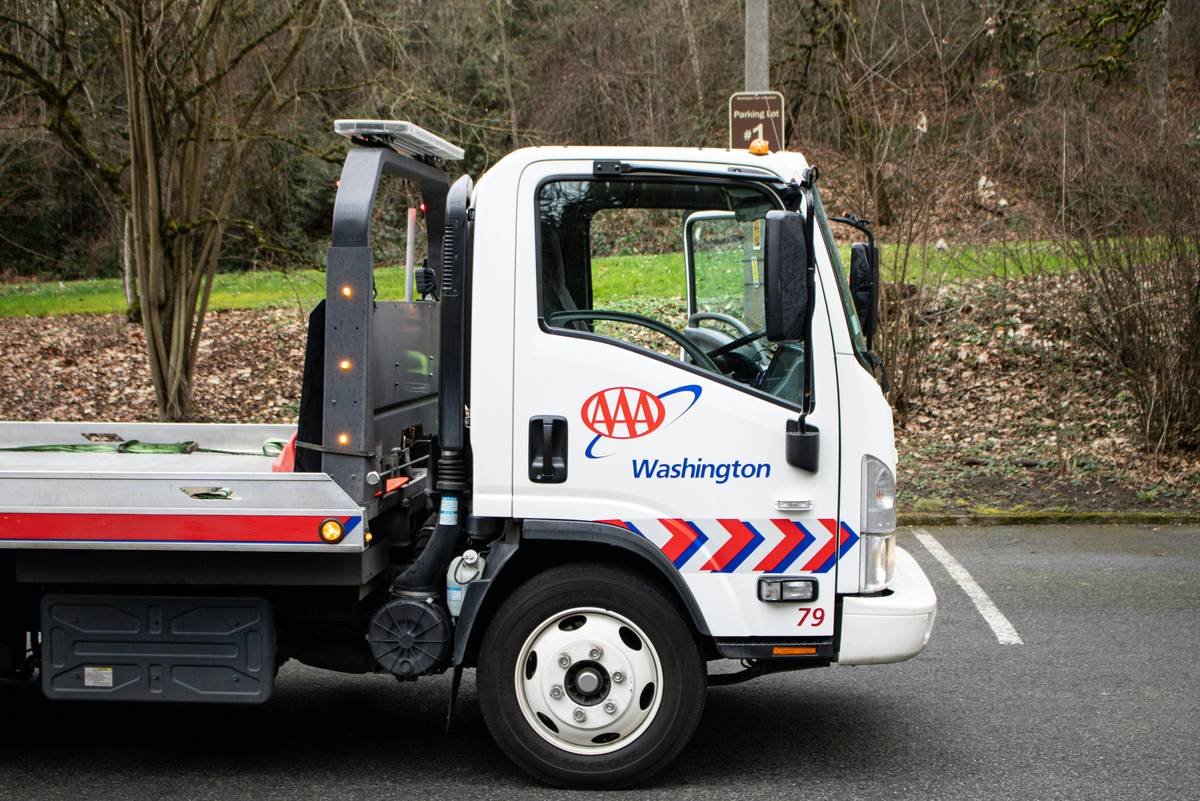
Ever been stranded on a lonely highway at midnight with a dead battery—and realized your “premium” credit card’s emergency roadside assistance wouldn’t cover a tow? You’re not alone. Millions of travelers assume their credit card travel insurance includes comprehensive emergency support, only to face surprise bills or flat denials. In this guide, we unpack exactly how credit card travel insurance emergency roadside assistance works, where it falls short, and how to use it without getting stranded—literally.
Table of Contents
- Why Credit Card Emergency Roadside Coverage Matters in Personal Finance
- Step-by-Step: How to Activate Your Card’s Roadside Help
- 5 Best Practices for Stress-Free Roadside Support
- Real Cases: When It Worked (and When It Failed)
- FAQs About Credit Card Travel Insurance Emergency Roadside Assistance
Key Takeaways
- Not all credit cards include emergency roadside assistance—even premium travel cards.
- Benefits are often limited to towing, jump-starts, flat tire changes, and fuel delivery—not mechanical repairs.
- You must pay upfront and file a claim later; reimbursement can take weeks.
- Always verify coverage details before relying on it during a trip.
- Supplement card benefits with a dedicated auto insurance policy for full protection.
Why Credit Card Emergency Roadside Coverage Matters in Personal Finance
Emergency vehicle breakdowns cost U.S. drivers over $11 billion annually in towing and repair fees, according to the National Safety Council. For frequent travelers, that risk multiplies when renting cars or driving unfamiliar routes. Many assume their high-end credit card—like Chase Sapphire Reserve or Amex Platinum—automatically covers roadside emergencies as part of its travel insurance suite. But here’s the catch: coverage is patchy, conditional, and rarely automatic.

I learned this the hard way during a cross-country road trip. My engine sputtered to a halt outside Flagstaff. I called my card’s benefit hotline, confident I’d get a free tow. Instead, I was told the service only covered “mechanical failure” if the vehicle was rented—and mine wasn’t. I paid $180 out of pocket. Lesson burned into memory: never assume. Always read the fine print.
Step-by-Step: How to Activate Your Card’s Roadside Help
Using your card’s emergency roadside assistance isn’t plug-and-play. Follow these steps to avoid delays:
1. Confirm Eligibility Before You Travel
Check your card’s benefits guide (usually online under “Guide to Benefits”). Look specifically for “Roadside Assistance” under travel or auto perks. Note whether it applies to rental cars, personal vehicles, or both.
2. Keep the Benefit Hotline Number Handy
Save the dedicated roadside assistance number—not general customer service—in your phone. Most major issuers use third-party providers like Agero or Allstate Motor Club.
3. Pay Upfront, Then File a Claim
Unlike medical travel insurance, roadside help rarely pays vendors directly. You’ll likely pay the tow truck driver, then submit receipts via your card issuer’s portal for reimbursement.
4. Submit Documentation Promptly
Include your card statement showing the trip date, itemized invoice, and proof of payment. Delays beyond 60–90 days may void your claim.
5 Best Practices for Stress-Free Roadside Support
- Never rely solely on card benefits. Pair it with your auto insurer’s roadside package for layered protection.
- Use the card to pay for your rental. Many policies require the rental to be charged to the card to activate coverage.
- Avoid “mechanical repair” expectations. Tires, batteries, and fuel? Covered. Transmission failure? Not covered. Know the line.
- Track mileage limits. Some cards cap towing at 5–10 miles; beyond that, you’re on the hook.
- Read exclusions carefully. Off-roading, commercial use, or vehicles over 1 ton often void coverage.
And one terrible tip to avoid: “Just call your card company from the roadside—they’ll send help immediately.” Nope. Without pre-verified eligibility and correct documentation, you could wait hours while accruing fees.
Real Cases: When It Worked (and When It Failed)
In 2023, a J.D. Power study found that 68% of premium cardholders were unaware their roadside benefit required post-service reimbursement. Yet, when used correctly, it saves money. Example: Sarah R. from Denver rented a car in Miami using her Chase Sapphire Reserve. When her tire blew near Key West, she called the benefit line, paid $75 for a tire change, and was reimbursed within 10 days—full amount.
Contrast that with Mark T., who broke down in his personal SUV in Montana. His Amex Platinum didn’t cover non-rental vehicles for mechanical towing. He spent $220—and got zero back. The difference? Knowing coverage scope beforehand.
For authoritative details, see the Consumer Financial Protection Bureau’s guide on credit card benefits.
FAQs About Credit Card Travel Insurance Emergency Roadside Assistance
Does my credit card cover emergency roadside assistance for rental cars?
Most premium travel cards do—but only if you pay for the rental with that card and decline the rental company’s insurance. Always confirm in your benefits guide.
How long does reimbursement take?
Typically 7–21 business days after submitting a complete claim. Some issuers process faster via mobile apps.
Are motorcycles or RVs covered?
Rarely. Most programs exclude vehicles over 10,000 lbs, motorcycles, and commercial vehicles.
Can I use this benefit outside the U.S.?
Limited international coverage exists, but towing networks vary. In Europe or Asia, local laws may restrict third-party assistance. Check with your issuer first.
Is credit card travel insurance emergency roadside assistance worth it?
Yes—as a backup, not a primary plan. It’s free if your card includes it, but don’t ditch your AAA membership just yet.
What’s not covered under most plans?
Mechanical repairs, lockout service beyond one attempt, lost keys, or accidents requiring police reports. Also excluded: vehicles not in safe operating condition.
At RichestWines.com, we prioritize transparency in personal finance. Learn more about our mission on our About Us page. If you’ve had a roadside ordeal—or victory—we’d love to hear it. Contact us anytime. And remember: we never sell your data. Our full Privacy Policy explains how we protect your info.
No tow truck arrives faster than preparation. So pack your jumper cables—and your card’s benefits guide.