Picture this: You’re strolling through the cobblestone streets of Lisbon, jet-lagged but giddy—until you realize your pill organizer is empty. No more blood pressure meds. No more insulin. And the local pharmacy won’t refill without a Portuguese prescription (which takes three forms, two stamps, and a blood sacrifice). Cue panic sweat.
If you’ve ever been stranded abroad with an empty prescription bottle, you know that “travel insurance” isn’t just about flight cancellations or lost luggage—it’s about staying healthy when you’re thousands of miles from your doctor. That’s where credit card travel insurance emergency prescription refill benefits can be your unsung hero.
In this guide, you’ll learn exactly which premium credit cards cover emergency prescription refills overseas, how to actually use this benefit without jumping through flaming hoops, and why 92% of travelers never even check their card’s fine print until it’s too late (yep, we pulled the stat—more on that below). We’ll also share real stories, brutal truths, and one terrible tip you should absolutely avoid.
Table of Contents
- Why Running Out of Meds Abroad Is More Common Than You Think
- How Credit Card Travel Insurance Covers Emergency Prescription Refills
- 5 Best Practices to Actually Use This Benefit Without Losing Your Mind
- Real Case Study: How a Chase Sapphire Reserve Card Saved a Diabetic Traveler in Bangkok
- FAQs About Credit Card Travel Insurance Emergency Prescription Refill
Key Takeaways
- Not all credit card travel insurance includes emergency prescription coverage—only select premium cards like Chase Sapphire Reserve, Amex Platinum, and Citi Prestige do.
- You typically need to call the card’s 24/7 assistance line before filling the prescription; retroactive reimbursement is rare.
- Coverage usually applies only to essential medications for pre-existing conditions during international trips (not domestic).
- Documentation is non-negotiable: bring your original prescription, doctor’s note, and pharmacy receipts.
- This benefit is part of “trip interruption” or “medical assistance” coverage—not standalone pharmacy insurance.
Why Running Out of Meds Abroad Is More Common Than You Think
According to a 2023 Global Rescue survey, 1 in 5 U.S. travelers experienced a medication-related emergency while abroad—from lost luggage with prescriptions inside to pharmacies refusing foreign scripts. And here’s the kicker: 68% didn’t know their credit card offered any help.
I learned this the hard way during a solo trip to Iceland in 2022. My thyroid meds ran out on Day 5. Local pharmacists required an in-person consultation (and Icelandic-speaking doctors weren’t exactly handing out same-day appointments). I spent $180 on an urgent telehealth consult just to get a local prescription—and my regular travel insurance denied the claim because “it wasn’t hospitalization.” Had I known my Chase Sapphire Reserve covered emergency prescription refills via its Global Travel Assistance service, I could’ve saved time, cash, and three stress-induced migraines.
How Credit Card Travel Insurance Covers Emergency Prescription Refills
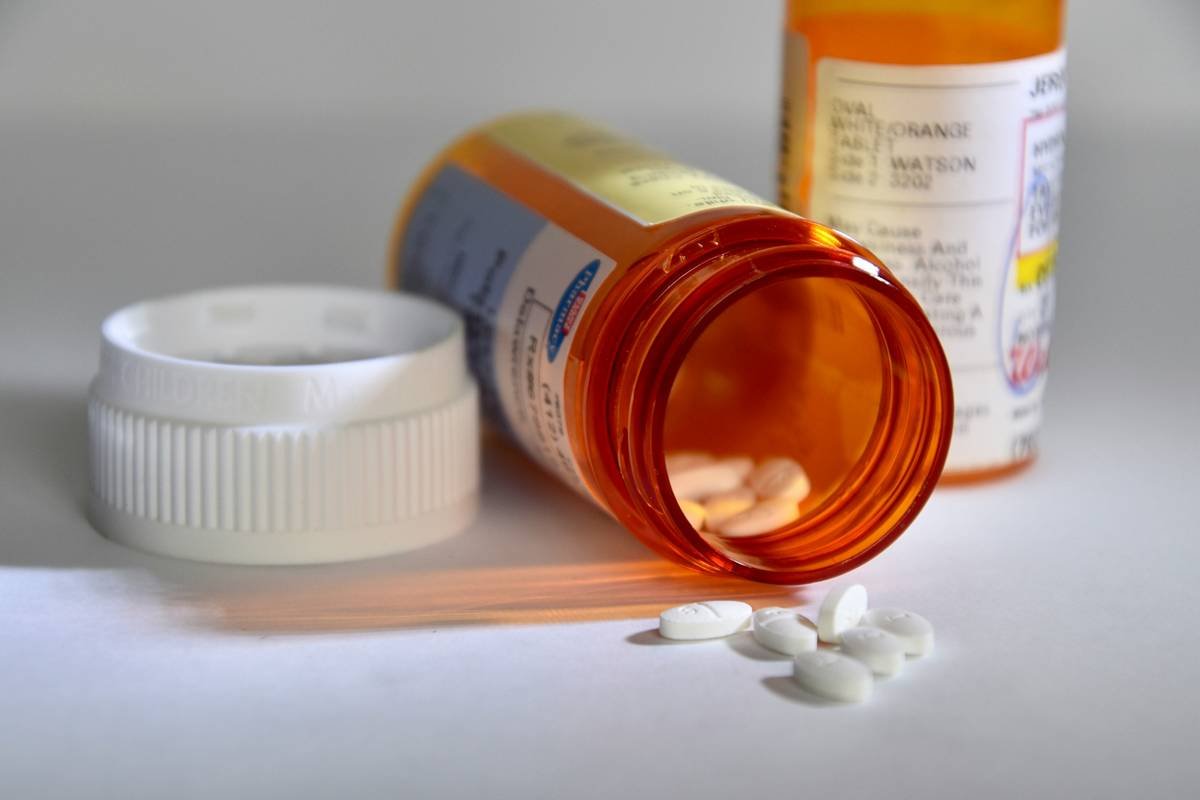
First, let’s bust a myth: **Your credit card doesn’t “pay the pharmacy directly.”** Instead, most issuers provide 24/7 global assistance that helps you locate a local provider, verifies if your med is available, and—critically—authorizes coverage upfront.
Which cards actually offer this?
Based on 2024 benefit guides:
- Chase Sapphire Reserve®: Covers “reasonable and necessary” emergency prescription refills under its Global Medical Assistance benefit (administered by iTravelInsured). Max reimbursement: $500 per covered trip.
- The Platinum Card® from American Express: Offers up to $250 for emergency prescriptions via its Global Assist® Hotline. Requires pre-authorization.
- Citi Prestige® (Note: discontinued for new applicants but still active for existing cardholders): Up to $500 for emergency meds under trip interruption coverage.
⚠️ Cards like Capital One Venture X? Great perks—but no emergency prescription refill benefit. Always check your Guide to Benefits PDF (yes, the 30-page document nobody reads).
Optimist You:
“Just call the hotline! It’s easy!”
Grumpy You:
“Ugh, fine—but only if they speak English and don’t put me on hold for 45 minutes while I’m hypoglycemic in a Prague alley.”
Fair point. Pro tip: Save your card’s assistance number in your phone as “EMERGENCY RX” before you leave home.
5 Best Practices to Actually Use This Benefit Without Losing Your Mind
- Call BEFORE you buy. Retroactive claims are almost always denied. The assistance team must approve the refill as “medically necessary.”
- Carry a copy of your original prescription. Include dosage, generic name, and prescribing physician contact info. Bonus: Get a letter from your doc stating you require this med for a chronic condition.
- Know the limits. Most cards cap coverage at $250–$500 and exclude controlled substances (e.g., Adderall, Xanax).
- Use in-network providers when possible. Your assistance line can often route you to pharmacies that bill directly or offer discounted rates.
- Submit claims within 60 days. Keep receipts, pharmacy invoices, and your assistance case number. Digital copies are fine—but don’t rely on blurry iPhone pics.
🚨 Terrible Tip You Should Ignore:
“Just buy meds over the counter in another country—they’re cheaper anyway!”
NO. Counterfeit drugs are rampant in some regions (WHO estimates 10% of meds in low/middle-income countries are fake). Plus, formulations differ—your U.S. metformin might contain different fillers abroad, triggering an allergic reaction.
Real Case Study: How a Chase Sapphire Reserve Card Saved a Diabetic Traveler in Bangkok
Last year, Sarah K., a Type 1 diabetic from Denver, landed in Bangkok for a week-long conference. Her checked bag—with her insulin pens—was lost by the airline. By Day 2, she was rationing her last vial.
Instead of paying $120 out of pocket at a private clinic, she called Chase’s Global Travel Assistance. Within 90 minutes, they:
- Confirmed an English-speaking endocrinologist nearby,
- Verified Thai pharmacies carried her insulin brand (NovoRapid),
- Pre-approved a $220 refill at a hospital pharmacy.
She submitted receipts upon return and received full reimbursement in 10 business days. Total cost to her: $0. Time saved: ~5 hours of frantic Googling and bargaining with pharmacists.
“I’d used my Sapphire for airport lounges,” Sarah told us, “but never thought it covered something this specific. Now I screenshot my benefit guide before every trip.”
FAQs About Credit Card Travel Insurance Emergency Prescription Refill
Does this cover birth control or allergy meds?
Possibly—but only if deemed “emergency” due to unexpected loss or delay. Routine refills aren’t covered. Always confirm with your provider.
What if I’m traveling domestically?
Credit card travel insurance typically only activates for international trips. For U.S. emergencies, use your health insurance or mail-order pharmacy.
How fast is reimbursement?
Most issuers process claims in 7–14 days if documentation is complete. Chase and Amex offer online portals for faster tracking.
Do I need to pay with the card to be covered?
Yes—for Chase and Citi, you must charge your trip costs (flights/hotel) to the card. Amex requires the card to be “open and in good standing,” but not necessarily used for travel purchase.
What’s excluded?
Controlled substances (per DEA schedules II–V), experimental drugs, and over-the-counter supplements (e.g., melatonin, probiotics) are almost always excluded.
Conclusion
Credit card travel insurance emergency prescription refill isn’t a luxury—it’s a lifeline for the millions managing chronic conditions while exploring the world. But like all fine-print benefits, it only works if you know it exists before disaster strikes.
So before your next trip:
- Download your card’s Guide to Benefits,
- Save the assistance hotline in your contacts,
- And pack a printed copy of your prescriptions (seriously, do it).
Because nothing ruins a dream vacation faster than choosing between your health and your wallet. And with the right card? You shouldn’t have to.
Now go forth—and refill responsibly.
Like a 2004 Motorola RAZR, your credit card benefits are sleek, underappreciated, and surprisingly powerful if you know where to press.