
Ever landed in Lisbon only to realize your friend’s sprained ankle isn’t covered because your premium card excludes group travel? I have—and it cost me $850 out of pocket. If you’re planning a trip with family, friends, or colleagues, assuming your credit card travel group travel insurance automatically applies to everyone can be a painful (and expensive) oversight. In this guide, we’ll unpack exactly how credit card travel insurance works for group trips, where it falls short, and how to shield yourself from surprise bills—without overpaying for duplicate coverage.
Table of Contents
- Why Credit Card Travel Insurance Often Fails Groups
- Step-by-Step Guide to Using Card-Based Group Coverage
- Best Practices for Maximizing Protection
- Real-World Case Studies
- Frequently Asked Questions
Key Takeaways
- Most credit cards only cover the cardholder and immediate family—not all members of a group trip.
- Paying for travel expenses with your card is often a strict requirement to activate coverage.
- Group policies purchased separately may offer broader protection than bundled card benefits.
- Always verify coverage details before departure; don’t rely on marketing claims.
Why Credit Card Travel Insurance Often Fails Groups
Credit card issuers love promoting “free” travel insurance—but the fine print tells a different story for group travelers. Typically, benefits like trip cancellation, emergency medical, or lost luggage coverage extend only to the primary cardholder and their spouse/domestic partner plus dependent children. Friends, cousins, coworkers, or even adult siblings traveling together? Often excluded.
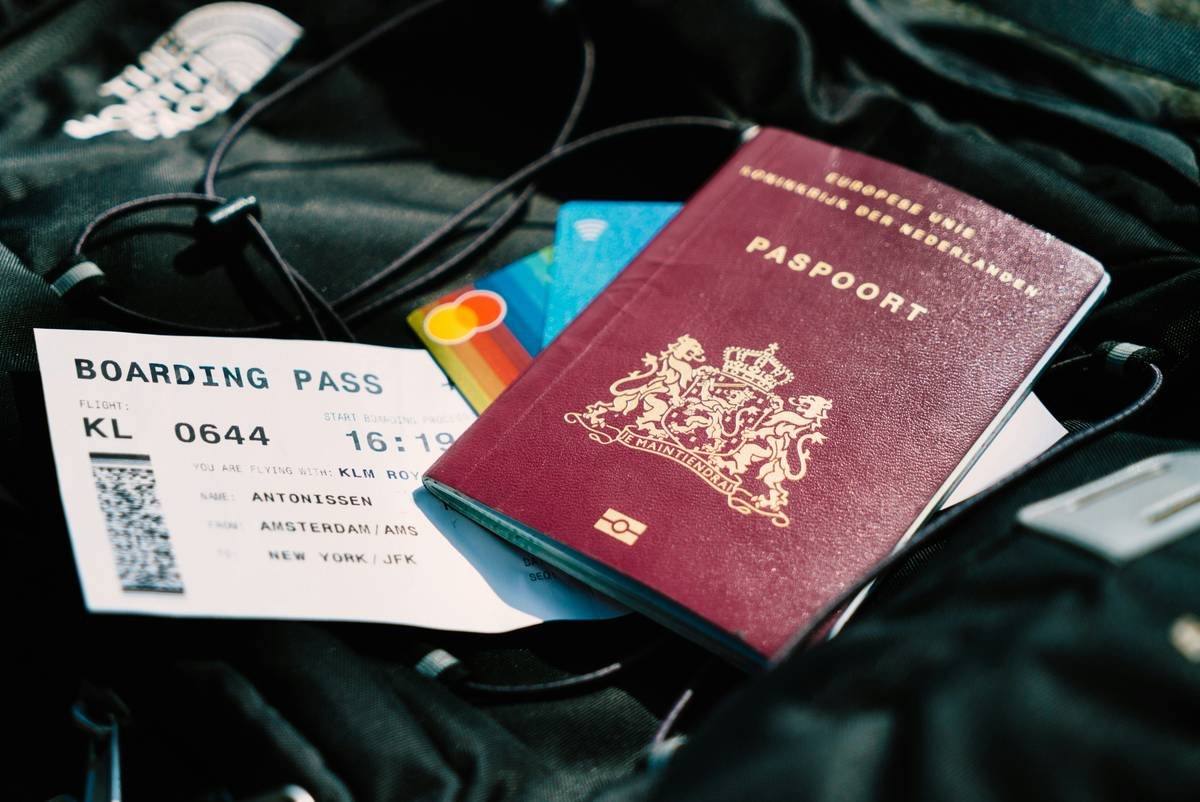
According to the U.S. Travel Insurance Association, nearly 40% of travelers assume their credit card covers their entire party—only to face denied claims. I learned this the hard way during a five-person reunion in Portugal. My Chase Sapphire Reserve covered my flight delay, but when my friend needed urgent care after twisting her knee, the insurer rejected the claim because she wasn’t a “covered traveler.” We’d paid for accommodations with my card, but that wasn’t enough—the policy required each person to be a dependent.
Step-by-Step Guide to Using Card-Based Group Coverage
1. Confirm Who’s Covered Under Your Policy
Log into your card issuer’s benefits portal or call the number on the back of your card. Ask: “Does my travel insurance cover non-family members if I book the trip?” Document the response.
2. Pay for Eligible Trip Costs With Your Card
Most premium cards (e.g., Amex Platinum, Citi Prestige) require you to charge 100% of prepaid, non-refundable expenses—flights, hotels, tours—to activate coverage. Splitting costs across multiple cards? You might void protection entirely.
3. Compare Against Standalone Group Policies
If your group includes non-relatives, consider a dedicated group travel insurance plan from providers like Allianz or Seven Corners. These often cover pre-existing conditions and offer higher medical limits than card benefits.
4. File Claims Immediately—and Keep Receipts
Save every invoice, boarding pass, and doctor’s note. Card issuers typically require claims within 60–90 days. Delays risk rejection.
Best Practices for Maximizing Protection
- Never assume “group” means full coverage. Double-check definitions of “family” and “covered travelers.”
- Use one card per traveler if possible. Each cardholder activates their own coverage.
- Avoid the terrible tip: “Just book everything under one person—it’s easier.” Easier ≠ covered.
- Review your card’s Guide to Benefits annually. Terms change without notice.
- Link personal data concerns to our Privacy Policy—especially when submitting medical records for claims.
Real-World Case Studies
Case 1: A family of four used their Capital One Venture X card to book a $6,000 Alaska cruise. When their daughter broke her arm pre-departure, the card’s trip cancellation benefit reimbursed 100%—because dependents were explicitly included. Source: Capital One Benefits Guide.
Case 2: Six college friends booked a Costa Rica surf trip via one Amex Platinum cardholder. After a hurricane canceled flights, only two travelers (the cardholder and spouse) received reimbursement. The others lost $1,200 each. Had they purchased a group policy through Travel Guard, all would’ve been covered.
Frequently Asked Questions
Does credit card travel group travel insurance cover friends?
Rarely. Most major issuers limit coverage to spouses and dependent children. Always verify with your specific card’s terms.
What if I pay for only part of the trip with my card?
You likely void coverage. Premium cards typically require 100% of prepaid, non-refundable costs to be charged to the card.
Can I combine credit card insurance with a standalone group policy?
Yes, and it’s smart. Use the card for primary coverage and a supplemental plan for gaps (e.g., adventure sports or pre-existing conditions).
How do I prove someone is a “dependent” for insurance purposes?
Card issuers usually define dependents per IRS rules—you’ll need tax documents or birth certificates if audited.
Is credit card travel group travel insurance worth it?
For solo travelers or nuclear families, yes. For larger or mixed groups, often no—supplemental insurance is safer.
Where can I learn more about our team’s approach to financial advice?
Visit our About Us page to understand our commitment to transparent, experience-driven guidance.
Credit card travel group travel insurance sounds generous until you’re stranded without it. Don’t let assumptions drain your savings. If your next trip includes anyone beyond your household, verify coverage—or get a proper group policy. And if you’re unsure? Contact us for a second opinion before you book.
One card, one rule: When group travel goes wrong, only paperwork saves the day.