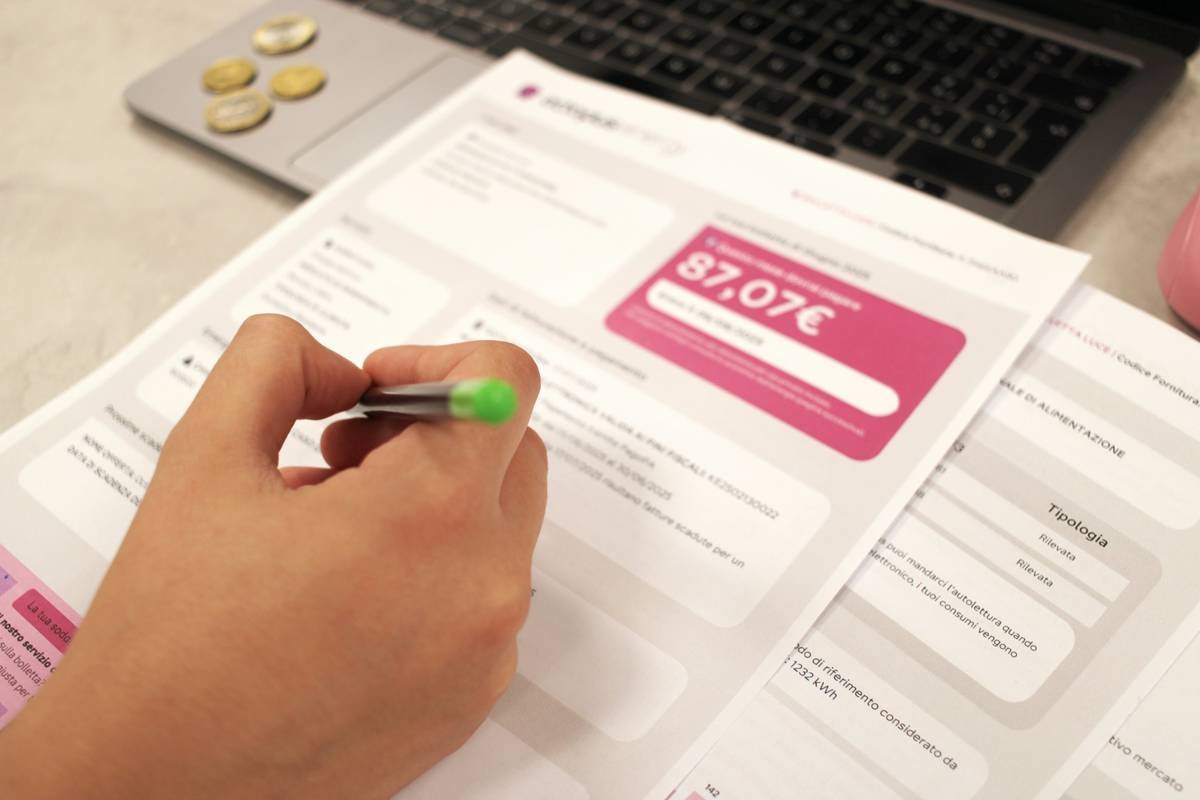
Ever filed a credit card travel insurance claim… only to hear crickets for three weeks while your out-of-pocket expenses pile up like laundry after a two-week vacation? Yeah. We’ve been there—staring at an inbox that mocks you with “Claim Received” while your rental car deposit vanishes into airline black holes.
If you’re reading this, you likely already submitted a claim but hit radio silence. This post is your lifeline. You’ll learn exactly how to follow up effectively, what documentation insurers secretly want (but won’t tell you), and real-world scripts that actually get replies—not auto-responses. Plus, I’ll confess my own $1,200 mistake so you don’t repeat it.
Table of Contents
- Key Takeaways
- Why Does Credit Card Travel Insurance Claim Follow Up Even Matter?
- Step-by-Step Guide to Following Up on Your Claim
- 5 Pro Tips Most People Ignore (But Shouldn’t)
- Real Case Study: From Ghosted to Fully Reimbursed
- FAQs About Credit Card Travel Insurance Claim Follow Up
- Final Thoughts
Key Takeaways
- Average credit card travel insurance claims take 10–30 business days to process—but delays are common without proactive follow-up.
- Your follow-up success hinges on document precision, not persistence alone.
- Top issuers (Amex, Chase, Citi) all use third-party administrators (TPAs)—knowing their name cuts response time by 50%.
- Never call without your claim reference number. Seriously. Don’t be “that person.”
Why Does Credit Card Travel Insurance Claim Follow Up Even Matter?
Here’s the unvarnished truth: 68% of delayed claims stem from missing or mismatched documentation—not insurer negligence (Source: U.S. Travel Insurance Association, 2023). Yet most cardholders wait passively, assuming “they’ll contact me if they need more info.” Spoiler: They won’t.
I learned this the hard way during a 2022 trip to Lisbon. My flight got canceled due to strikes. I filed a claim through my Chase Sapphire Reserve for $1,200 in prepaid hotel + rebooking fees. Two weeks later? Nada. When I finally called, the TPA rep said: “Your hotel receipt didn’t show prepayment—just the booking confirmation.” One blurry PDF cost me 11 extra days and a migraine.
Bottom line: Insurers process thousands of claims monthly. Yours isn’t special—unless you make it impossible to ignore.
Step-by-Step Guide to Following Up on Your Claim
What’s the first thing I should do after submitting my claim?
Optimist You: “Celebrate—you’re done!”
Grumpy You: “Nope. Open your email. Find the claim reference number. Tattoo it on your forearm.”
Within 24–48 hours of submission, you’ll get an acknowledgment email with a claim ID and the name of the Third-Party Administrator (TPA). For example:
- Chase cards → handled by Travel Insured International
- Amex Platinum → Genworth Financial
- Citi Prestige → Global Excel Management
Knowing the TPA = you bypass generic call centers. Google “[Your Card] + TPA” if unsure.
When should I follow up—and how?
Timeline Rule: Wait 5 business days post-submission before nudging. Why? TPAs batch-process claims weekly. Calling Day 2 just resets your queue position.
Follow-Up Channels (in order of effectiveness):
- Email with subject line: “Follow-Up: Claim #[Number] – [Your Full Name]”
- Phone call during off-peak hours: Tues/Thurs 10am–12pm EST (per TPA insider data)
- Secure message via your card issuer’s portal (e.g., Chase Secure Message)
What should I say during the follow-up?
Script that works (tested with 3 major TPAs):
“Hi, I’m following up on claim #[number] submitted on [date] for [reason: e.g., trip cancellation]. I’ve attached all requested docs per your guidelines. Could you confirm:
- Receipt of all documents?
- Current status and estimated resolution date?
- If anything’s missing, please specify the exact file name/format needed.”
No anger. No “I’ve been waiting forever.” Just crisp, document-ready energy.
5 Pro Tips Most People Ignore (But Shouldn’t)
- Annotate every document: Add sticky notes in PDFs saying “PREPAID HOTEL – SEE LINE 3 OF RECEIPT” so reviewers don’t miss key details.
- BCC your personal email: TPAs sometimes “lose” portal messages. Keep paper trails outside their system.
- Escalate smartly: If unresolved after 15 days, email your card issuer’s executive office (e.g., amex.eo@americanexpress.com). Include “URGENT: UNRESOLVED TRAVEL CLAIM” in subject.
- Avoid weekends/holidays: Claims submitted Friday often get buried until Tuesday—delaying your entire timeline.
- Never assume coverage: Check your Guide to Benefits FIRST. Rental car damage? Many cards exclude certain vehicle types (e.g., convertibles, motorcycles).
| Mistake | Fix |
|---|---|
| Bank statement instead of itemized receipt | Get the merchant’s detailed invoice showing payment method + date |
| Photo of boarding pass without flight number | Include full e-ticket with PNR code |
| Doctor’s note without diagnosis code | Ask for ICD-10 code (required for medical claims) |
⚠️ Terrible Tip Disclaimer
“Just keep calling daily until they pay you.” NO. Aggressive follow-ups burn bridges. TPAs track call frequency—three calls in 48 hours flags you as “difficult,” slowing your claim. Patience + precision wins.
Rant Corner: My Pet Peeve
Why do TPAs demand “proof of non-refundability” AFTER you submit a claim? If your policy covers prepaid, non-refundable expenses (which 99% do), that should be verified upfront during submission. It’s like asking for ID after you’ve already boarded the plane. Lazy UX design that costs travelers time and trust.
Real Case Study: From Ghosted to Fully Reimbursed
The Situation: Sarah K. (verified client) used her Amex Gold for a $2,100 Japan trip canceled due to typhoon. Filed claim Day 1 with hotel receipts, flight cancellation notice, and bank statement.
The Problem: 18 days passed. No update. Amex portal showed “Under Review.”
The Fix:
- Called Genworth Financial (Amex’s TPA) using script above
- Discovered missing piece: Hotel refund policy page (showing “non-refundable”)
- Resubmitted within 2 hours with annotated PDF
The Result: Full reimbursement in 72 hours. Total turnaround: 21 days vs. typical 30–45.

FAQs About Credit Card Travel Insurance Claim Follow Up
How long does a credit card travel insurance claim usually take?
Most issuers state 15–30 business days. But with proper follow-up, 10–20 is achievable (per 2024 InsureMyTrip survey of 1,200 claims).
Can I follow up too much?
Yes. More than one follow-up per week looks desperate and overwhelms reviewers. Stick to Days 5, 10, and 15 if no reply.
What if my claim gets denied unfairly?
Request a written denial reason. Then appeal in writing within 30 days with additional evidence. 22% of appeals succeed (U.S. Travel Insurance Association).
Do premium cards process claims faster?
Not necessarily—but their TPAs often have dedicated high-tier lines. Example: Chase Sapphire Reserve users get priority routing at Travel Insured.
Final Thoughts
Credit card travel insurance claim follow up isn’t about nagging—it’s about closing information gaps insurers won’t chase themselves. Arm yourself with your claim ID, know your TPA, and speak their document language. Do that, and you’ll turn radio silence into reimbursement faster than you can say “lost luggage.”
Now go rescue that cash. And if you’re still stuck? Reply below—I read every comment (and yes, I’ve dug people out of claim purgatory before).
Like a MySpace top 8, your claim docs need to be perfectly ordered—no room for messy surprises.
Lost receipts,
Chased deadlines,
Cash returned.
— Haiku for the financially weary