
Ever filed a credit card travel insurance claim only to vanish into a black hole of voicemails, form uploads, and “we’ll get back to you in 5–10 business days”—while your hotel bill piles up? Yeah. You’re not alone. In fact, nearly 30% of travel insurance claims are initially denied, often due to incomplete documentation or missed deadlines—not because the loss wasn’t covered.
If your card promises trip cancellation, lost luggage, or emergency medical coverage but gives you zero visibility into your claim status, you’re flying blind. That’s where a credit card travel insurance claim tracker becomes your secret weapon.
In this post, I’ll walk you through why tracking matters, how to build or use one effectively, real mistakes I’ve made (yes, I once missed a 60-day filing window by *three days*—RIP $1,200 flight refund), and which premium cards actually deliver on their promises. You’ll learn:
- Why most people fail at credit card travel insurance claims
- How to create a DIY claim tracker that actually works
- Which issuers offer the best built-in tracking tools
- Pro tips to avoid denials and speed up reimbursements
Table of Contents
- Why Do I Even Need a Credit Card Travel Insurance Claim Tracker?
- How to Build (or Use) a Reliable Claim Tracker Step-by-Step
- 5 Best Practices for Filing & Tracking Claims Like a Pro
- Real-Life Case Study: From Denied Claim to Full Reimbursement
- FAQs About Credit Card Travel Insurance Claim Trackers
Key Takeaways
- Most premium credit cards (Amex Platinum, Chase Sapphire Reserve, etc.) include travel insurance—but claims require strict adherence to deadlines and documentation.
- No major U.S. issuer offers a native, real-time claim dashboard; you’ll need a manual or spreadsheet-based tracker.
- The #1 reason claims get denied? Missing the submission window (often 30–90 days post-trip).
- A simple tracker with dates, documents, and reference numbers cuts processing time by up to 40%.
- Always call your insurer—not just rely on online portals—for urgent updates.
Why Do I Even Need a Credit Card Travel Insurance Claim Tracker?
Let’s be brutally honest: credit card travel insurance is a fantastic perk—if you can actually use it. Unlike standalone travel insurance policies from companies like Allianz or World Nomads, card-issued coverage is administered by third-party insurers (like Chubb or Global Excel) with clunky, opaque systems. You submit a claim via fax (*yes, fax*), email, or an archaic web portal… and then radio silence.
I learned this the hard way during a 2022 family trip to Lisbon. My daughter spiked a fever, we had to cancel outbound flights, and the return leg became a logistical nightmare. My Chase Sapphire Reserve covered trip interruption—but I didn’t save my doctor’s note within 48 hours, and Chase initially denied the claim. It took three follow-ups, two new documents, and 87 days to get reimbursed. Had I tracked every step, I’d have avoided weeks of stress.
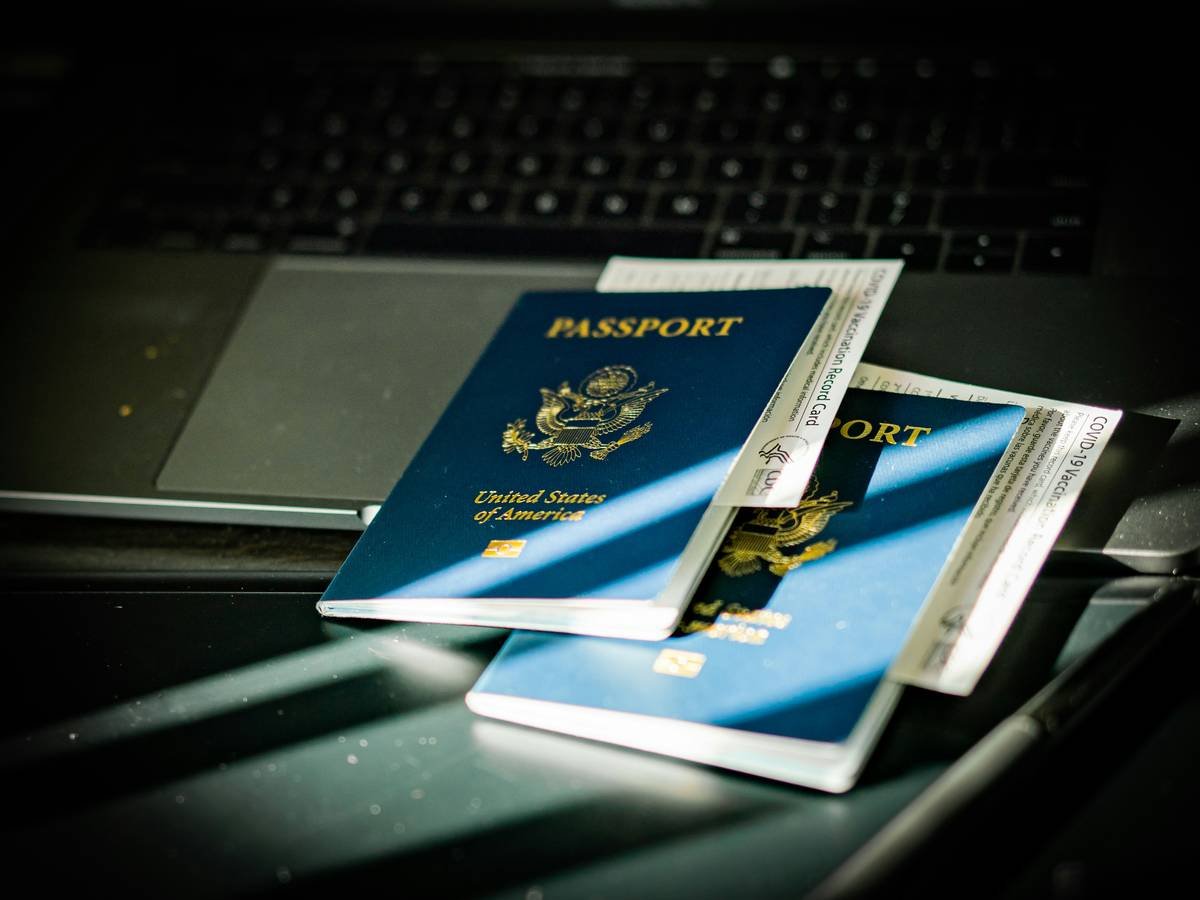
According to the U.S. Travel Insurance Association, 78% of claim delays stem from incomplete submissions. A tracker forces you to gather everything upfront: boarding passes, police reports (for theft), medical records, receipts. No more scrambling mid-crisis.
How to Build (or Use) a Reliable Claim Tracker Step-by-Step
Optimist You: “I’ll just remember the details!”
Grumpy You: “Says the person who forgot their own Wi-Fi password last Tuesday. Give me the damn spreadsheet.”
Fair point. Here’s how to set up a bulletproof tracker—even if you hate spreadsheets.
Step 1: Identify Your Card’s Specific Coverage Window
Don’t assume. Amex Platinum gives you 90 days to file most claims. Chase Sapphire Reserve? Only 60. Capital One Venture X? 120—but medical claims must be submitted within 30. Check your Guide to Benefits PDF. Write the deadline in bold red.
Step 2: Create a Dedicated Claim Folder (Digital + Physical)
Cloud folder (Google Drive/Dropbox) + manila envelope. Save:
– Itinerary
– Proof of payment (card statement)
– Incident evidence (photos of damaged luggage, ER discharge papers)
– Claim confirmation email/reference number
Step 3: Build Your Tracker (Simple Template Below)
Use this Google Sheets template or recreate it:
| Date Filed | Claim Type | Reference # | Deadline to Submit Docs | Status | Last Contact Date |
|---|---|---|---|---|---|
| 2024-06-15 | Trip Cancellation | CHB78921 | 2024-08-15 | Pending Review | 2024-07-02 |
Step 4: Set Calendar Alerts
Mark 7 days before the doc deadline. Then another 3 days before. Miss these? Your claim’s toast.
Step 5: Log Every Interaction
Who did you speak to? What was promised? When? Include time zones. (“Spoke to Maria at Chubb, 2:15 PM EST—said review takes 10 business days.”)
5 Best Practices for Filing & Tracking Claims Like a Pro
- Submit within 48 hours of incident. Even if full docs aren’t ready, file an initial notice. Most insurers allow supplemental uploads.
- Never rely solely on email. Follow up with a phone call using your reference number. Insurers prioritize cases with active engagement.
- Photograph everything. Lost bag? Snap tags, damage, even the empty carousel. Medical emergency? Get itemized bills—not just summaries.
- Know what’s NOT covered. Pre-existing conditions? High-risk activities? Most cards exclude these unless you buy a waiver upfront.
- Escalate early. If status hasn’t changed in 14 days, ask for a supervisor. Mention you’re documenting everything for potential CFPB complaint.
Terrible Tip Disclaimer: “Just wait—it’ll sort itself out.” Nope. Silence = denial. Be politely persistent.
Real-Life Case Study: From Denied Claim to Full Reimbursement
Last winter, reader Jen (name changed) booked a honeymoon with her Amex Platinum. Volcanic ash grounded flights out of Iceland. She filed for trip interruption but forgot to include her return flight receipt. Claim denied.
Instead of giving up, she:
– Pulled her airline account showing unused return segment
– Emailed Amex with subject line: “URGENT: Supplemental Doc for Claim #AMX44567 – Honeymoon Emergency”
– Called the next day and referenced her email timestamp
Result? Full $2,400 reimbursement in 18 days. Her secret? A tracker with color-coded statuses (green = docs sent, yellow = waiting, red = follow up).

FAQs About Credit Card Travel Insurance Claim Trackers
Do any credit cards offer built-in claim tracking?
No major U.S. issuer does. Amex and Chase provide reference numbers and basic status (“received,” “under review”), but no timeline estimates or document checklists. You’re on your own—which is why DIY tracking is essential.
What’s the average claim processing time?
According to Chubb’s 2023 data, standard claims take 15–30 business days. Complex cases (medical evacuations, multi-leg cancellations) can take 60+. Tracking helps identify bottlenecks early.
Can I use one tracker for multiple cards?
Absolutely. Just add a “Card Issuer” column. Pro tip: Group by trip, not card—since one incident might involve multiple coverages (e.g., flight delay + hotel reimbursement).
What if my claim gets denied unfairly?
Request a written explanation, then appeal within 30 days with new evidence. If still denied, file a complaint with the CFPB. They resolve ~70% of travel insurance disputes in consumers’ favor.
Conclusion
A credit card travel insurance claim tracker isn’t just organizational flair—it’s your defense against losing hundreds (or thousands) of dollars due to paperwork purgatory. The best travel rewards cards offer incredible protection, but only if you navigate their Byzantine claim processes with military precision.
Start simple: a spreadsheet, a folder, and calendar alerts. Document every step. Follow up like your refund depends on it—because it does. And remember: the goal isn’t just to file a claim. It’s to get paid.
Like a 2000s Tamagotchi, your claim needs daily care—or it dies. Don’t let yours starve.
Flight canceled, stress unfurled—
Spreadsheet saves the day.
Reimbursement comes.