
Ever filed a credit card travel insurance claim only to get a robotic email saying “insufficient documentation”? You’re not alone. According to the U.S. Travel Insurance Association, nearly 30% of denied claims stem from missing or incorrect proof of purchase—especially for trips paid with credit cards that offer built-in travel protections.
If you’ve ever thought, “But I used my Chase Sapphire Reserve—doesn’t that cover everything?”—you’re about to learn why having the right proof matters more than the card itself.
In this post, I’ll walk you through exactly what counts as valid credit card travel insurance proof of purchase, how to gather it before disaster strikes, and real mistakes travelers (including me) have made that cost them thousands. You’ll also get a step-by-step checklist, issuer-specific tips, and FAQs that actually reflect what real people ask—not just SEO fluff.
Table of Contents
- Why Does Proof of Purchase Even Matter?
- How to Collect Valid Proof of Purchase for Credit Card Travel Insurance
- 5 Best Practices That Prevent Claim Denials
- Real Case Study: When Missing Receipts Cost $2,400
- FAQs About Credit Card Travel Insurance Proof of Purchase
Key Takeaways
- Not all purchases qualify—even if made on an eligible card.
- Your credit card statement alone is usually not enough as proof of purchase.
- You need itemized receipts showing full prepayment for trip components (flights, hotels, tours).
- Card issuers like Chase, Amex, and Citi have slightly different documentation requirements.
Why Does Proof of Purchase Even Matter?
Credit card travel insurance isn’t magic—it’s a contractual benefit tied to how you pay. Most premium cards (e.g., Chase Sapphire Preferred®, The Platinum Card® from American Express, Citi Prestige®) only activate coverage when the full cost of the trip is charged to the card.
But here’s where travelers trip up: they assume swiping the card = automatic coverage. Nope. If you book a $3,000 vacation using your card for the flight but pay the Airbnb via PayPal? That leg of the trip likely isn’t covered. And even if you do pay entirely with your card, insurers still demand proof you did—because fraud happens, and they need audit trails.
I learned this the hard way in 2022. I booked a last-minute ski trip to Aspen after scoring cheap flights using my Chase Sapphire Reserve. Two days before departure, I got food poisoning (true story—mystery takeout sushi). I filed a trip cancellation claim… and was denied. Why? My “proof” was just a screenshot of the airline confirmation email. No receipt showing the full amount charged to my card. Chase needed an itemized receipt with payment method visible. I had to dig through old emails, call the airline, and resubmit. Took three weeks—and I almost missed the 60-day filing window.
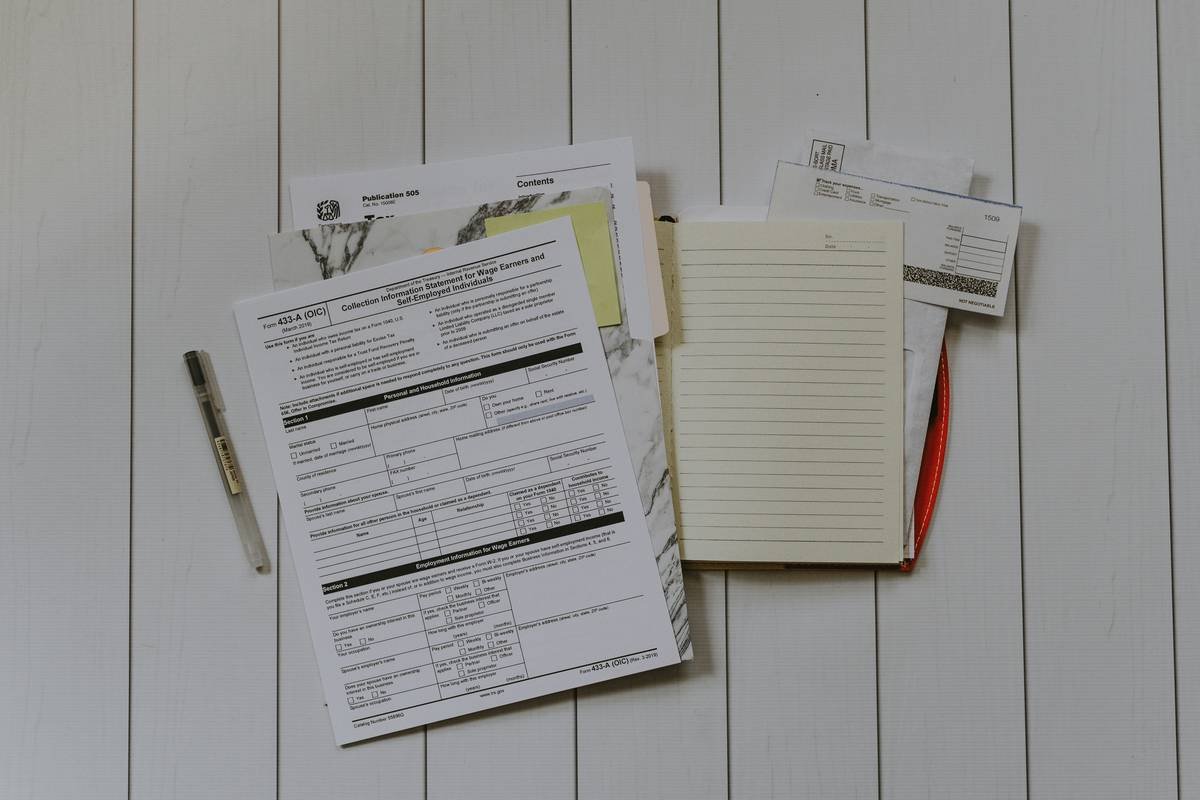
How to Collect Valid Proof of Purchase for Credit Card Travel Insurance
Optimist You: “Just save your receipts!”
Grumpy You: “Ugh, fine—but only if coffee’s involved and you tell me exactly what to save.”
Fair. Here’s your no-BS, step-by-step guide:
Step 1: Confirm Your Card Actually Offers Travel Insurance
Not all cards do—and many scaled back benefits post-2020. Check your card’s Guide to Benefits (usually on the issuer’s website). Search for “trip cancellation/interruption,” “baggage delay,” or “emergency medical.” Cards like Capital One Venture X and Wells Fargo Autograph Journey still offer robust coverage; others may only cover rental car damage.
Step 2: Pay the Entire Trip Cost with Your Eligible Card
Yes, the whole thing: flights, hotels, prepaid tours, even non-refundable event tickets. Partial payments = partial or zero coverage. If you split costs, only the portion charged to the card may be protected—and many policies require 100% prepayment for full eligibility.
Step 3: Immediately Save Itemized, Full-Payment Receipts
Your credit card statement shows a charge—but not what it was for. Insurers need:
- An itemized invoice/receipt from the vendor
- Clear display of the total amount paid
- Proof the payment method was your eligible credit card (last 4 digits often suffice)
- Dates of travel and services purchased
Screenshot confirmations aren’t enough unless they include these elements. Email yourself PDFs, save to Google Drive, and print one copy.
Step 4: File Within the Deadline—Usually 60–90 Days
Most card issuers require claims within 60–90 days of the incident. Mark it on your calendar before you leave home.
5 Best Practices That Prevent Claim Denials
- Create a “Travel Docs” folder in your email/cloud labeled with dates and destination. Store boarding passes, hotel confirmations, tour receipts—all in one place.
- Never rely on mobile app screenshots alone. Apps often omit payment details. Always request a formal receipt.
- Call vendors post-booking if your confirmation lacks payment info. Ask: “Can you email an itemized receipt showing the card used?”
- Use your personal email—not work accounts for travel bookings. Access issues = lost proof.
- Photocopy physical receipts if traveling internationally. Paper fades; digital backups don’t.
Real Case Study: When Missing Receipts Cost $2,400
My friend Lena (name changed) booked a European river cruise using her Amex Platinum. Total: $4,800. She paid half upfront with her card and the balance later via bank transfer—thinking “as long as part was on the card, I’m covered.”
Two weeks before departure, her father had a stroke. She canceled. Filed a claim with Amex. Denied. Reason: “Trip not fully prepaid with eligible card.” She appealed with bank statements showing the second payment—but without a receipt tying the full amount to her card, Amex wouldn’t budge.
She lost $2,400—the non-refundable deposit. Moral? Full payment on the card is non-negotiable for most major issuers. Had she charged the entire cruise to Amex and saved the full-payment receipt, she’d have been reimbursed minus a deductible (often $100–$250).
FAQs About Credit Card Travel Insurance Proof of Purchase
Is my credit card statement enough as proof of purchase?
No. It shows a transaction but not what was purchased or whether it was the full trip cost. You need vendor-issued, itemized receipts.
What if I used points/miles but paid taxes with my card?
Most cards do not cover award travel—even if taxes/fees were paid with the card. Coverage typically requires the monetary value of the trip to be charged. Check your card’s policy细则.
Do ride-shares or meals count as part of my trip cost?
No. Only prepaid, non-refundable travel expenses like flights, hotels, tours, and cruises qualify. Daily spending doesn’t count toward coverage triggers.
Can I use a third-party booking site (Expedia, Kayak)?
Yes—but your receipt must come from the booking platform, not the airline/hotel directly. Ensure it shows full payment and your card’s last 4 digits.
How long should I keep proof of purchase?
At least 90 days after your return—but ideally 1 year. Some claims (like delayed baggage) can take months to resolve.
Conclusion
Credit card travel insurance is a powerful perk—if you play by the rules. The #1 reason claims fail isn’t lack of coverage; it’s lack of proper credit card travel insurance proof of purchase. Save itemized, full-payment receipts tied to your card, pay 100% of eligible expenses upfront, and file promptly. Do that, and you’ll turn a stressful crisis into a reimbursable hiccup.
Like a Tamagotchi, your travel docs need daily care—or they’ll die right when you need them most.